
Vertical Tasting & Harvest Lunch

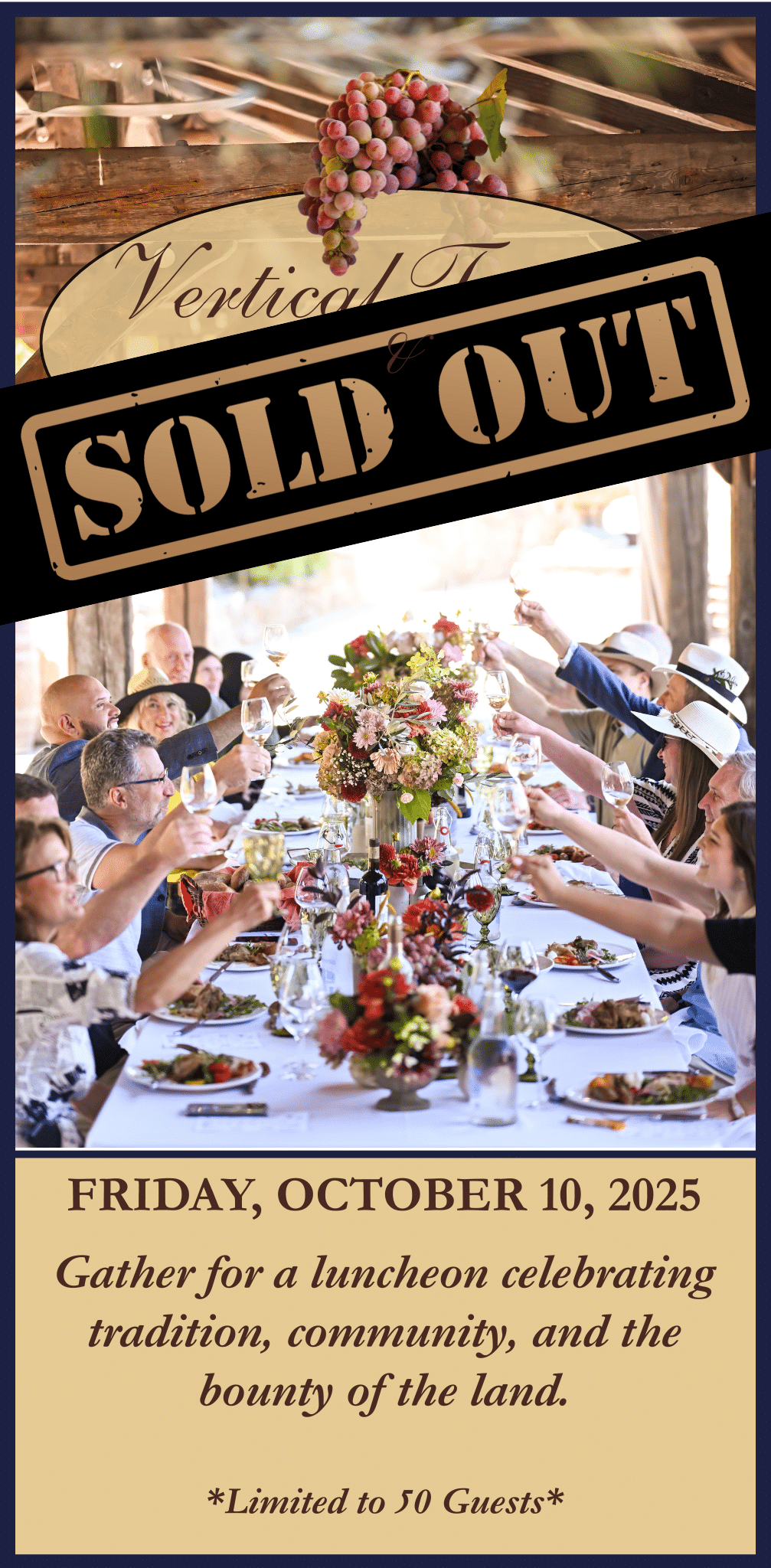
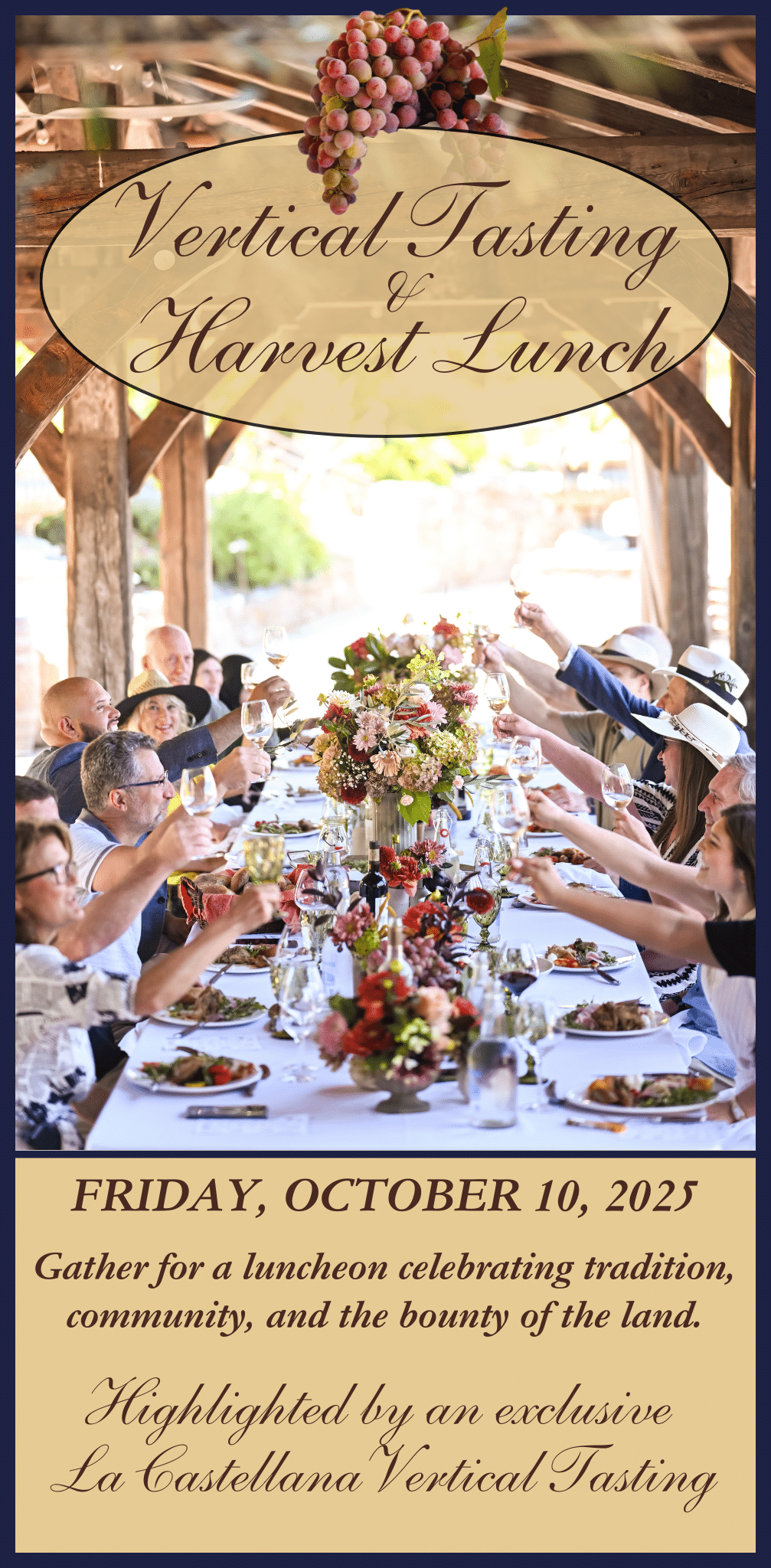
Vertical Tasting & Harvest Lunch
Celebrate the season of abundance with a Tuscan-inspired harvest luncheon.
- Gather for a seated luncheon celebrating tradition, community, and the bounty of the land
- Savor award-winning wines, featuring a rare vertical tasting of our flagship La Castellana Super Tuscan Blend
La Castellana has long stood as a hallmark of our Reserve collection. Modeled in the spirit of Italy’s most celebrated “Super Tuscans,” it blends the elegance of Sangiovese with the structure and depth of Cabernet Sauvignon and Merlot.
La Castellana proudly carries this legacy forward; receiving high standing accolades.
- 95 Points – Jeb Dunnuck
- 94 Points & Double Gold – 2025 American Fine Wine Competition
- 95 Points – Antonio Galloni
“Beautifully layered… Powerful, deep wine.” -Antonio Galloni
$95/Members – $125/Guests
*Seating for this event is incredibly limited. Reserve for your group today as spaces will fill up soon!
Friday, October 10, 2025
11am – 2pm
Reservations Required – Must be 21+
LIMIT 2 Member tickets per membership.
LOG-IN FOR MEMBER RATE.

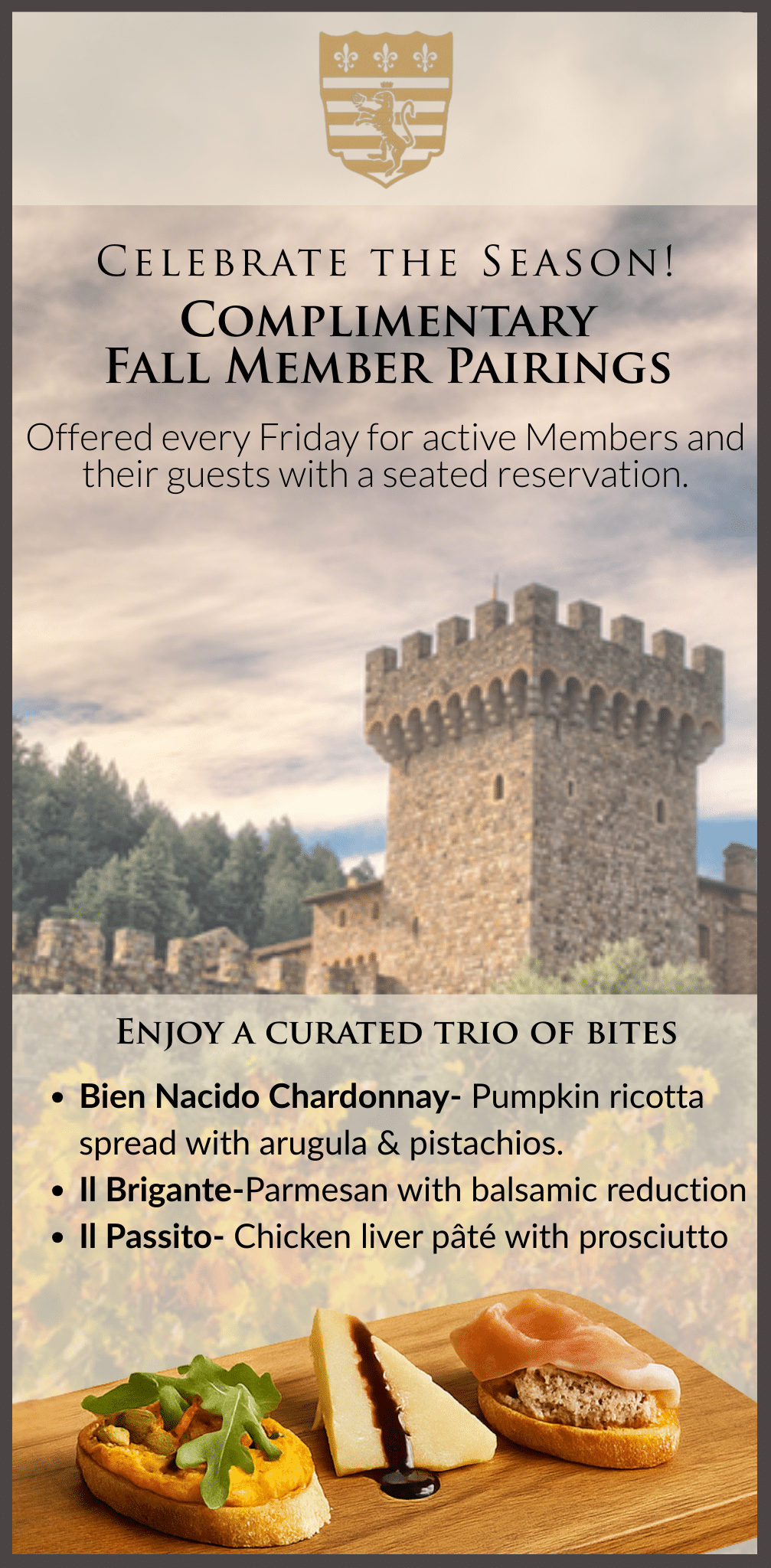
Wine Club Pairing
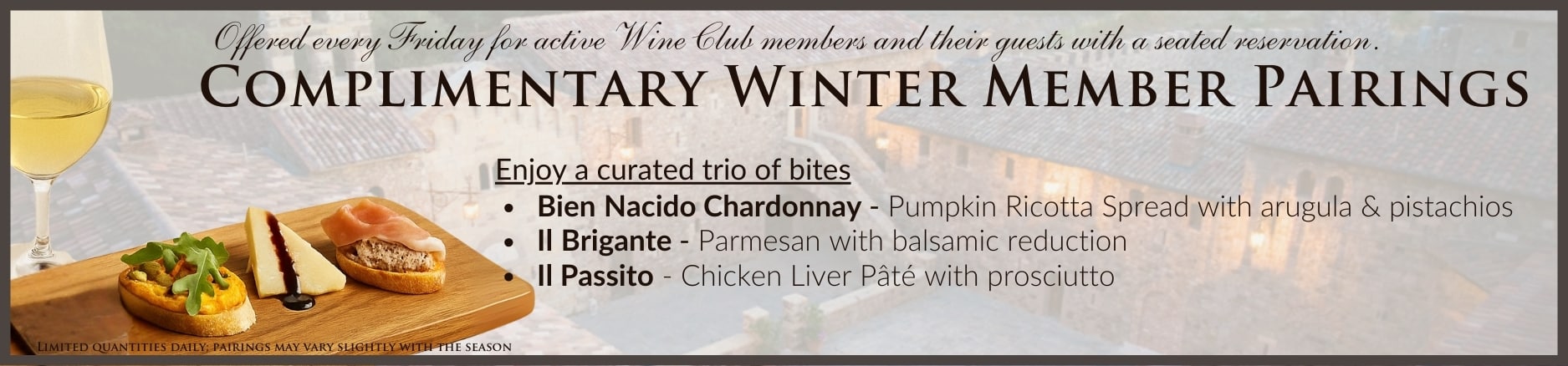
Fall Member Pairings
*Each Friday
Celebrate the season with Winter Member Pairings, offered each Friday exclusively for active Wine Club members and their guests with a seated reservation.
Enjoy a complimentary curated trio of bites.
- Pumpkin Ricotta Spread with arugula & pistachios paired with the Bien Nacido Chardonnay
- Parmesan with balsamic reduction alongside the Il Brigante, Red Blend
- Chicken Liver Pâté with prosciutto thoughtfully selected to enjoy with the Il Passito, Late Harvest Semillon/Sauvignon Blanc
This complimentary pairing is subject to the annual visit limits associated with your membership level. Please note, quantities are limited, and pairings may vary slightly with the season.
**Guests MUST BE 21 or older**
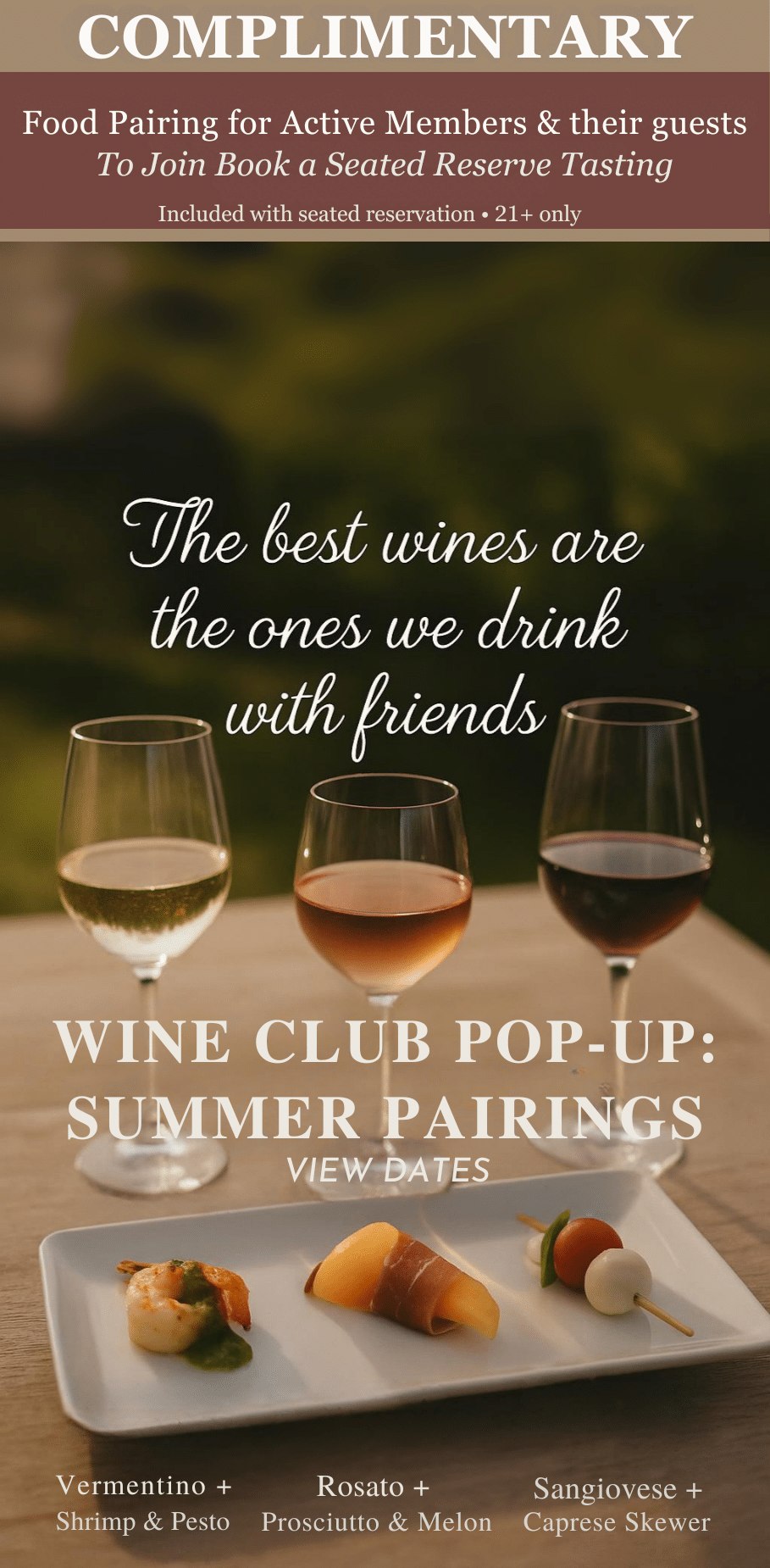
WINE CLUB POP-UP SUMMER PAIRINGS
WINE CLUB POP-UP
SUMMER PAIRINGS
“The best wines are the ones we drink with friends.” We’re inviting our Wine Club members to a special tasting experience:
Enjoy a complimentary refreshing trio of pairings, crafted for the season:
Vermentino paired with Shrimp & Pesto
Rosato paired with Prosciutto & Melon
Sangiovese paired with Caprese Skewer
OFFERED FRIDAY ON THE FOLLOWING DATES:
September 5
Seated Reservation Required
Let this be your perfect excuse to sip, snack, and reconnect with your wine club perks.
We look forward to seeing you!
Details:
Booking must be made by an active Wine Club member for a Seated Reserve Tasting on selected dates above. The summer food pairing will be complimentary for members and guests booked in their party 21+.
Please Note: These are special pop-up events, your reservation confirmation will not mention the pairing — but it will be included.
To book, reserve online or contact us directly: Tours@CastelloDiAmorosa.com
Call/Text: 707-967-6272
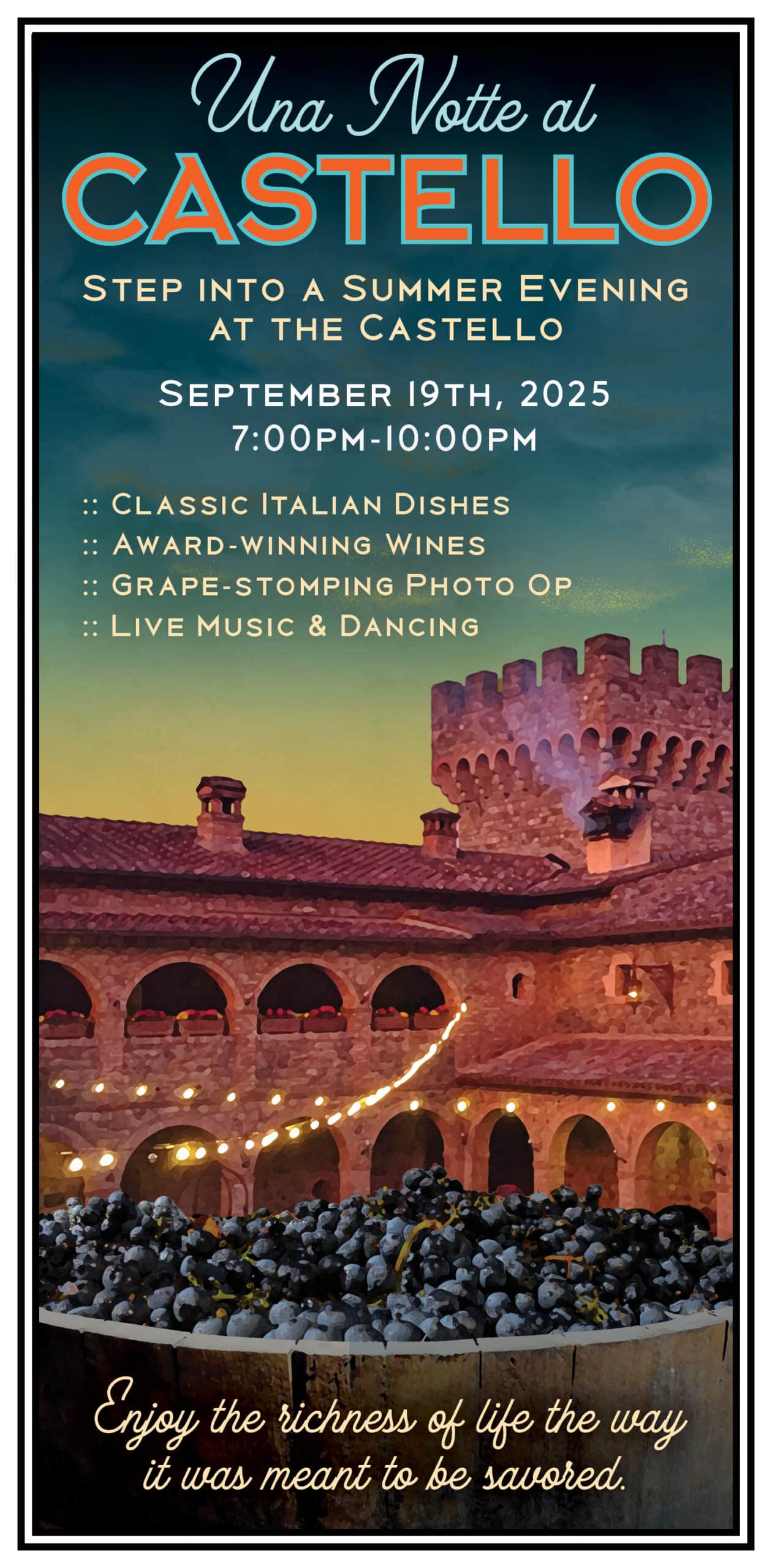
Una Notte al Castello
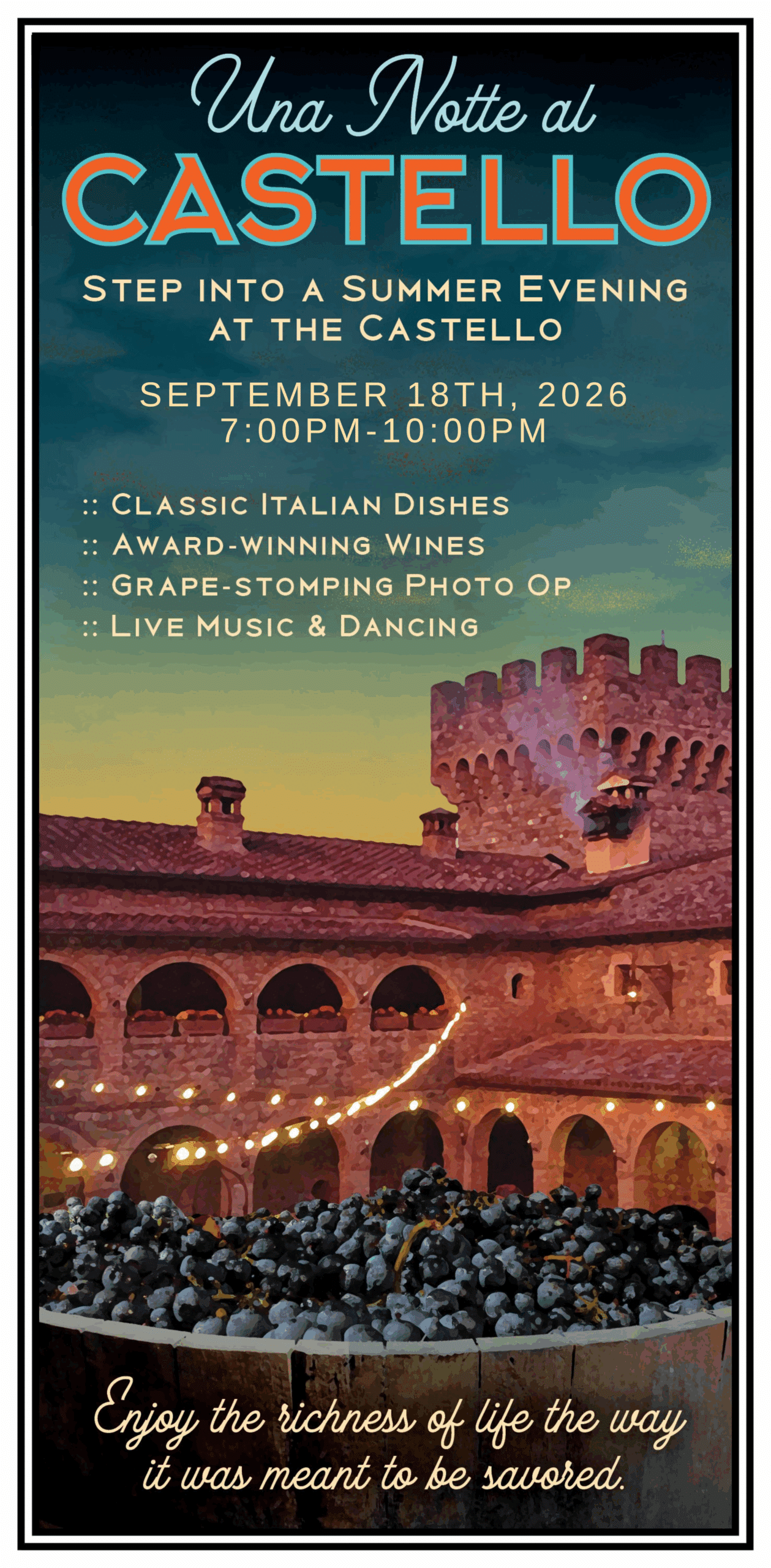
Una Notte al Castello
- Enjoy classic Italian dishes served from roaming food stations
- Savor award-winning wines
- Take part in our grape stomping photo op station
- Dance as live music fills the air and the sun sets over the estate
Friday, September 18, 2026
7:00pm-10:00pm
The perfect atmosphere to enjoy the richness of life the way it was meant to be savored.
**Guests MUST BE 21 or older**
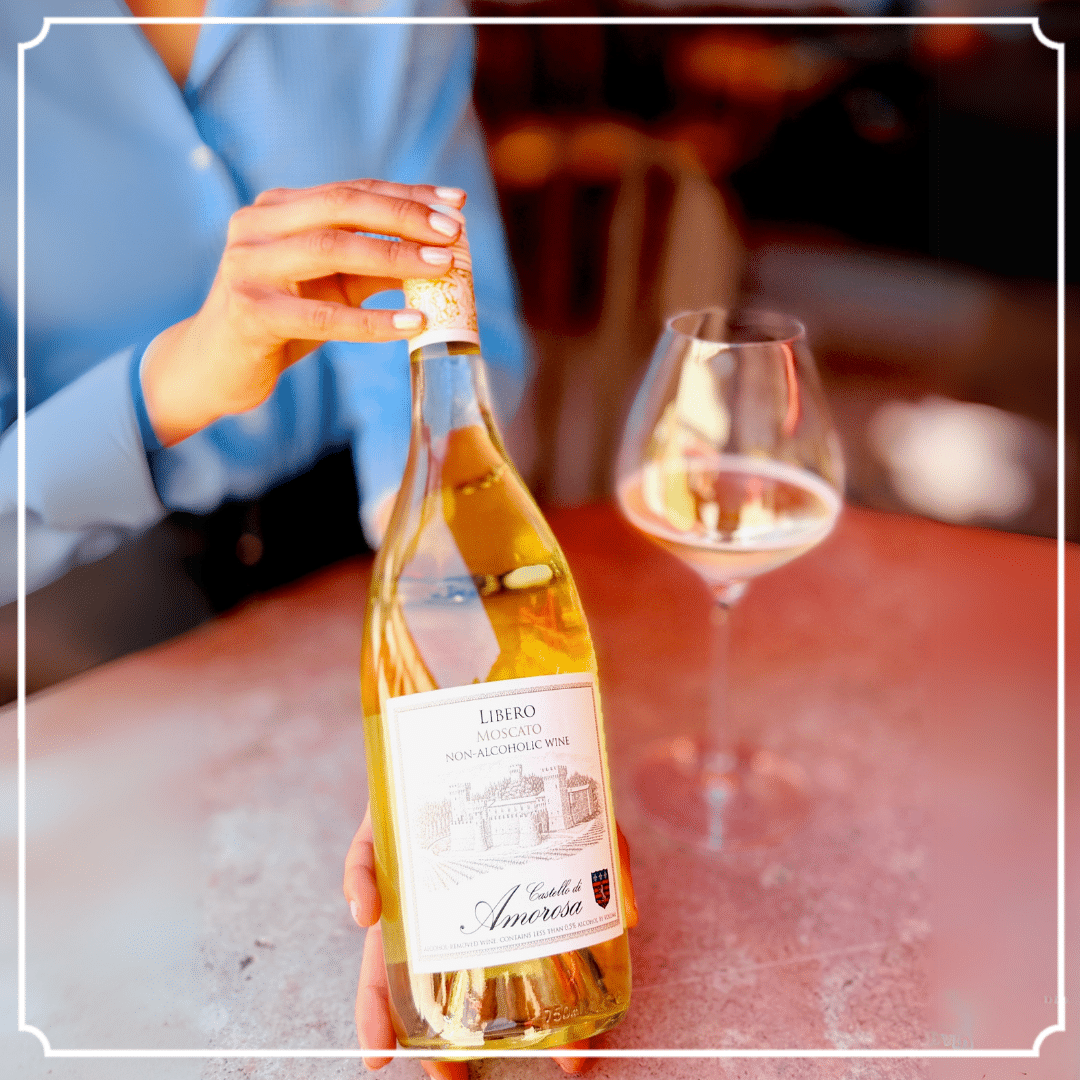
Introducing Libero: Castello di Amorosa’s New Non-Alcoholic Wine Experience

Introducing Libero: Castello di Amorosa’s New Non-Alcoholic Wine Experience
Freedom to toast, freedom to choose, freedom to savor — without limits.
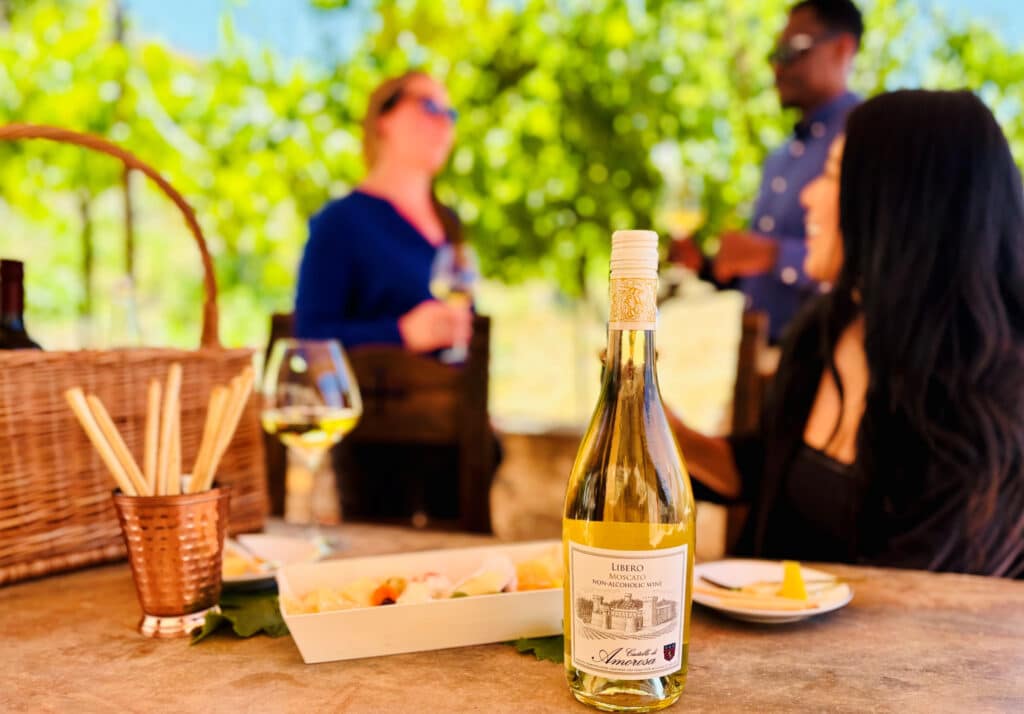
A New Chapter in Winemaking
At Castello di Amorosa, we’ve always believed that wine is about connection — with place, with people, and with celebration. That’s why we’re proud to introduce Libero, our new line of non-alcoholic wines.
“Libero means free in Italian,” says Winemaker Peter Velleno. “Free to savor, free to celebrate, and free to choose what feels right — whether with or without alcohol.”
A First of Its Kind: A Fully Curated Tasting Flight
We’re redefining the tasting room experience. Visitors to the Castello can now enjoy one of the world’s first fully curated non-alcoholic wine flights. No more second-tier options or sparkling water substitutes — this is an elegant, thoughtfully prepared journey through non-alcoholic winemaking.
Your Libero Tasting Flight Includes:
- Libero Moscato – Estate-grown, vibrant, and floral
- Libero Sparkling Bianco
- Libero Cabernet Sauvignon
- Plus Castello favorites: Muscat Canelli, Gewürztraminer, and Red Sparkling Juice
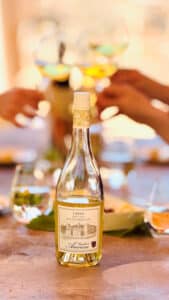 The Star of the Show: Estate-Grown Libero Moscato
At the heart of Libero is our 2024 Libero Moscato, made from fruit grown on our very own estate vineyards in Anderson Valley. Using advanced spinning cone and vacuum technology, we gently remove alcohol while preserving the integrity, structure, and beauty of the wine.
Tasting Notes
- Aromas: Geranium petals, orange blossom, honeysuckle
- Flavors: Ripe pear, sun-kissed mandarin, crisp green apple
- Pairs With: Honey-drizzled goat cheese crostini, lemony calamari salad, Thai green curry
A Place at the Table for Everyone
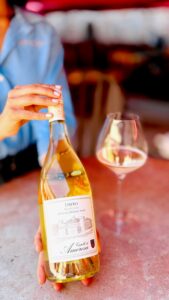 Whether you’re a wellness traveler, designated driver, expecting parent, or just sober-curious, with Libero, we’re making wine culture more inclusive, more intentional, and more joyful than ever. Tasting experiences start at $60 and now include the option to craft a completely non-alcoholic or blended tasting.
“This is about belonging,” says President Georg Salzner. “No guest should ever feel left out when they visit the Castello.”
Come Taste the Libero Line
Libero is available exclusively at Castello di Amorosa and online through our store.
- Shop Libero
- Plan Your Visit
- Follow us: Instagram | Facebook | YouTube

Learn How to Taste Wine
Learn How to Taste Wine
A Beginner’s Guide to Wine Tasting: Sip, Savor, and Discover
Wine tasting might seem like an intimidating experience reserved for sommeliers or wine enthusiasts, but the truth is, anyone can learn to appreciate and enjoy wine. Whether you’re visiting Castello di Amorosa’s Napa Valley tasting room or exploring bottles at home, this guide, designed for beginners, will help you taste wine like a pro. Let’s begin to learn how to properly taste wine with these steps:
Step 1: Choose Your Wine
Before you begin, decide on the type of wine you’d like to taste. As a beginner, we’ll teach you how to taste good wine properly. You should first consider starting with a variety of wines – a crisp Pinot Grigio, a robust Napa Valley Cabernet Sauvignon, or a light and fruity Morning Dew Ranch Vineyard Pinot Noir. This variety of wines will help you identify your preferences.
Step 2: Set the Scene

The environment plays a significant role in wine tasting. Here are a few tips:
- Lighting: Ensure the area is well-lit so you can observe the wine’s color.
- Glasses: Use clear wine glasses to better appreciate the wine’s appearance and aroma.
- Temperature: Serve white wines chilled. For wines like Pinot Grigio, you may want to serve at 45 to 49 degrees Fahrenheit and allow the wine to warm up in the glass. Chill these wines in the refrigerator for about 1.5 hours. For lighter reds, like our Anderson Valley Pinot Noir or Voyager Vineyard Sangiovese, serve them at 54-60 degrees to highlight the evocative aromas and flavors inherent in this popular varietal. Chill for 45-60 minutes in the refrigerator prior to serving. Bolder, big reds like Castello’s Il Barone or Merlot should be served cooler than you’d think, around 60 to 65 degrees. This will allow these bigger wines to fully express their bold aromas, express their lush mouthfeel and highlight the nuanced flavors. Chill in the refrigerator for about 25 minutes in the refrigerator prior to serving.
- Neutral Palate: Avoid strong-smelling candles or food to ensure your senses are focused on the wine.
Step 3: Observe the Wine
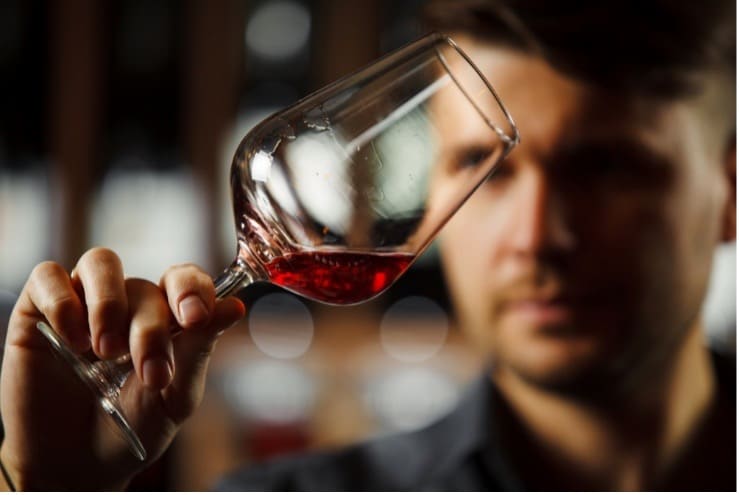
Pour a small amount of wine into your glass and take a moment to look at it:
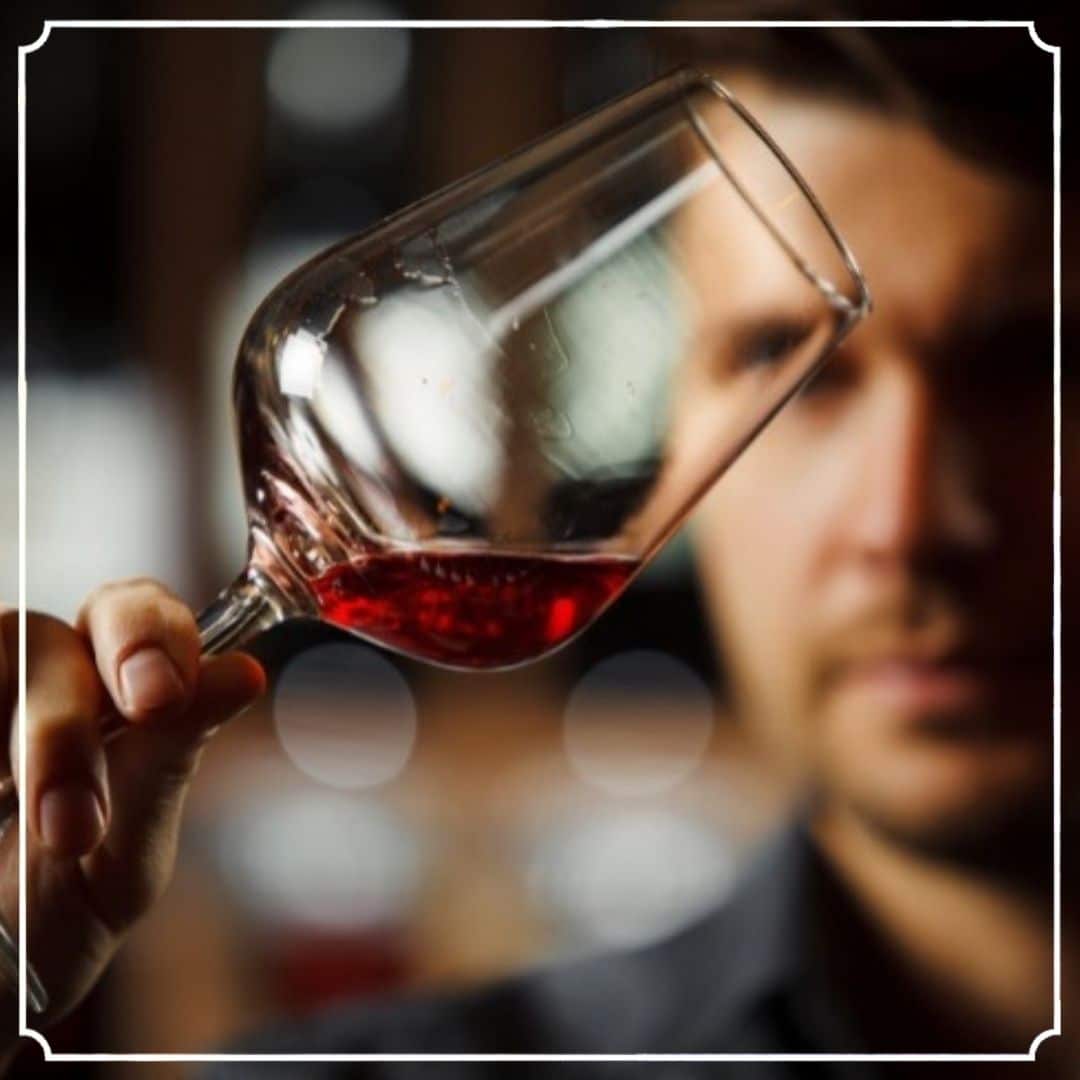
- Color: Tilt the glass slightly and observe the wine against a white background. Is it pale or deep? Clear or cloudy?
- Legs: Swirl the wine gently. The streaks that form on the inside of the glass (known as legs) can indicate alcohol content; thicker legs often mean higher alcohol content.
Step 4: Smell the Wine
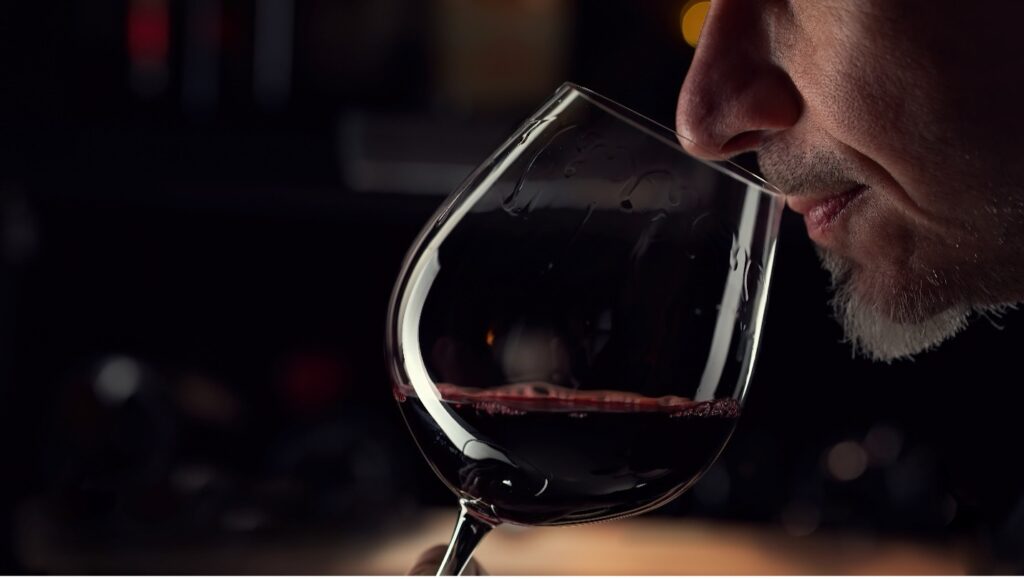
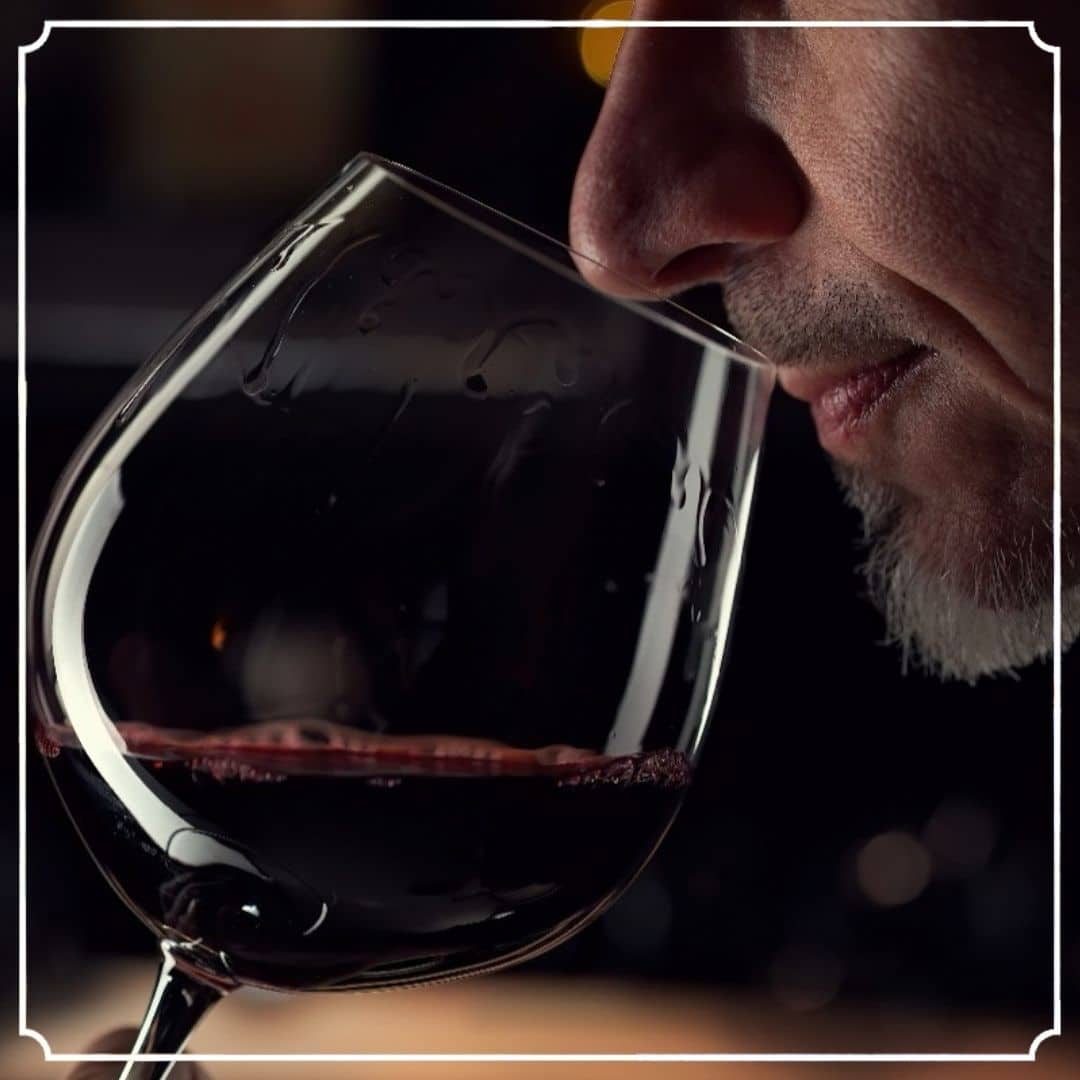
A significant portion of wine tasting involves your sense of smell. Swirl the wine to release its aromas, then:
- Take a Whiff: Place your nose over the glass and inhale deeply to experience all the aromas.
- Identify Aromas: Try to pick out specific scents. Do you smell fruits, spices, or earthy tones? Each wine has a unique bouquet that offers hints about its flavor profile. It might be helpful to close your eyes during this wine experience phase.
If you like wine with stunning aromas with beautiful flavors to match, you might want to include the Morning Dew Ranch Pinot Noir in your tasting experience. The estate vineyard is located in the Anderson Valley of California, a world-renowned area for growing Pinot Noir. Great aromas are born from vineyards in great growing regions. In the Morning Dew Ranch Pinot Noir, you might be wowed by the seemingly endless mingling of brambleberries, toasted sage and hints of clove. If you let the wine rest for a minute (breathe) the aromas will intensify and, perhaps, change slightly.
Step 5: Taste the Wine
Now for the fun part: tasting
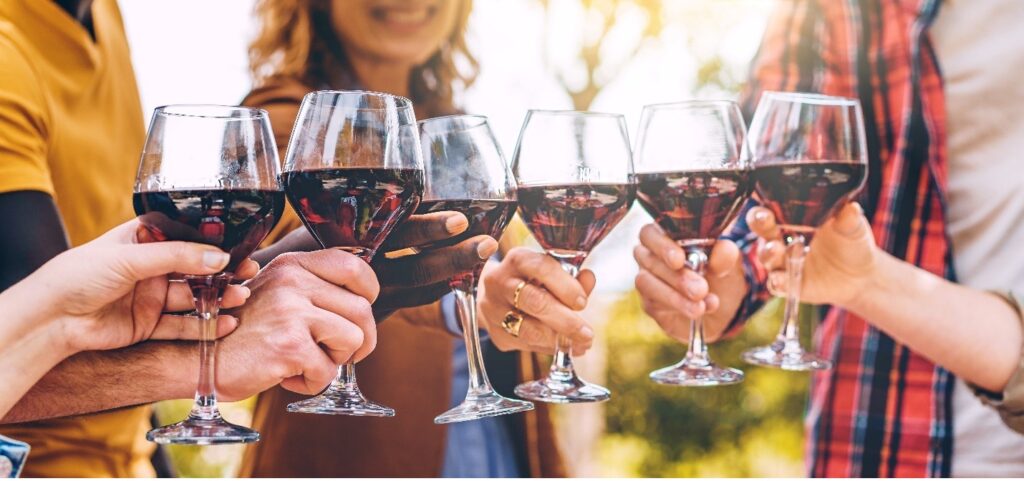
- Take a Sip: Take a small sip and let the wine coat your tongue.
- Hold: Hold the wine in your mouth for a few seconds to fully experience its texture and flavors.
- Identify Flavors: Note the initial taste, the mid-palate flavors, and the finish. Is it sweet, acidic, or tannic? Can you taste berries, citrus, oak, or chocolate?
- Swallow or Spit: If you’re at a wine tasting, feel free to spit into the provided containers to avoid overconsumption. Repeat this process a few times and experience the differences in taste.
If one of your tastings happens to be our 2018 Napa Valley Cabernet Sauvignon, you might get aromas of toasty black and red fruit, black cherry and, perhaps, a little leather. On the palate, you’ll experience a medium to full-bodied wine with a round, mouth-filling texture. The tannins are soft, and the flavors might include dark chocolate with hints of dried herb. We hope you enjoy this beautiful creation grown in Napa Valley vineyards and crafted by Brooks Painter and Peter Velleno, our winemakers!
Step 6: Record Your Impressions
Keep a notebook or use a wine-tasting app to jot down your thoughts. Include details like the wine’s name, vintage, region, and your personal tasting notes of color, body, smell and taste on the palate and after the finish. Over time, this record will help you refine your palate and discover your preferences.
Step 7: Pair with Food
Now for the Fun Part
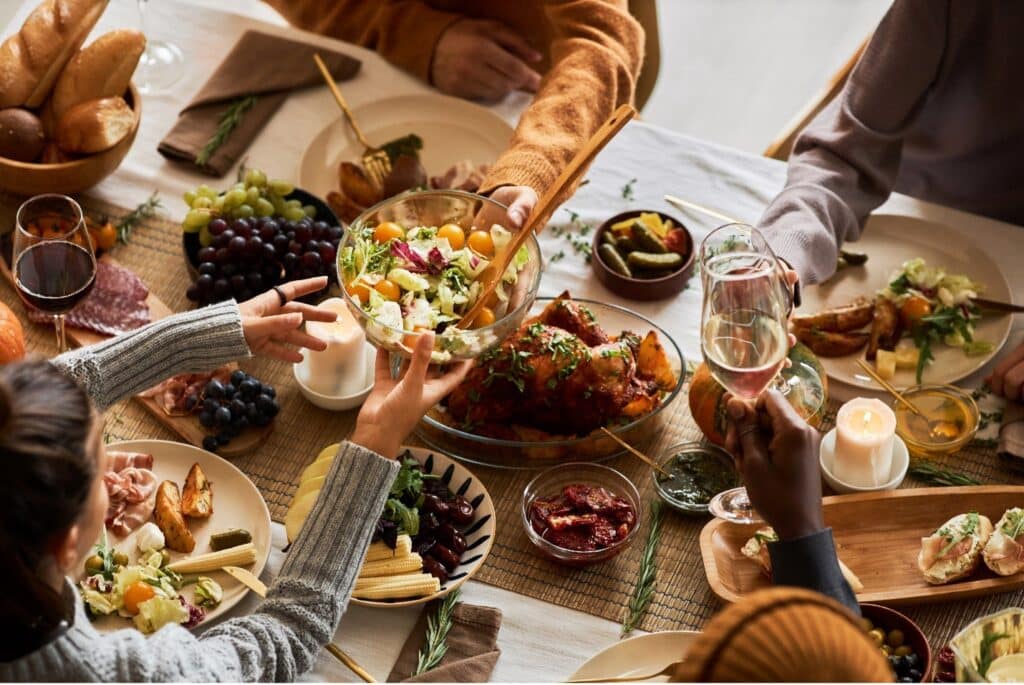
Experimenting with food pairings can elevate your wine experience. A few classic combinations include:
- White Wine: Pairs well with seafood, poultry, and creamy pasta dishes.
- Red Wine: Complements red meats, hearty stews, and aged cheeses.
- Sparkling Wine: Excellent with salty snacks, fried foods, and light desserts.
Final Tips for Beginners
- Stay Open-Minded: Don’t dismiss a wine after one sip. Some flavors develop as you taste. The bottom line is taking your time to allow the wine to open in the glass and for your palate to adjust. This could take several minutes and a few sips to properly taste the wine. We highly recommend, to enhance your wine tasting experience, to smell the aromas of the wine before taking a sip.
- Ask Questions: If you’re at a vineyard or wine shop, don’t hesitate to ask for recommendations or information about the wines.
- Practice: The more you taste, the more confident you’ll become in identifying and describing wines.
Wine tasting is an enjoyable journey that combines art, science, and personal preference. By following these steps on how to taste wine for beginners, you’ll build a foundation for appreciating wine and discovering your unique palate. So, open that bottle of your favorite Castello di Amorosa wine, grab a glass, take a sip, and let your wine adventure begin!
Wine tasting is an enjoyable journey that combines art, science, and personal preference. By following these steps, you’ll build a foundation for appreciating wine and discovering your unique palate. So, open that bottle of your favorite Castello di Amorosa wine, grab a glass, take a sip, and let your wine adventure begin!


Operation Vine Removal and Replanting
Operation Vine Removal and Replanting
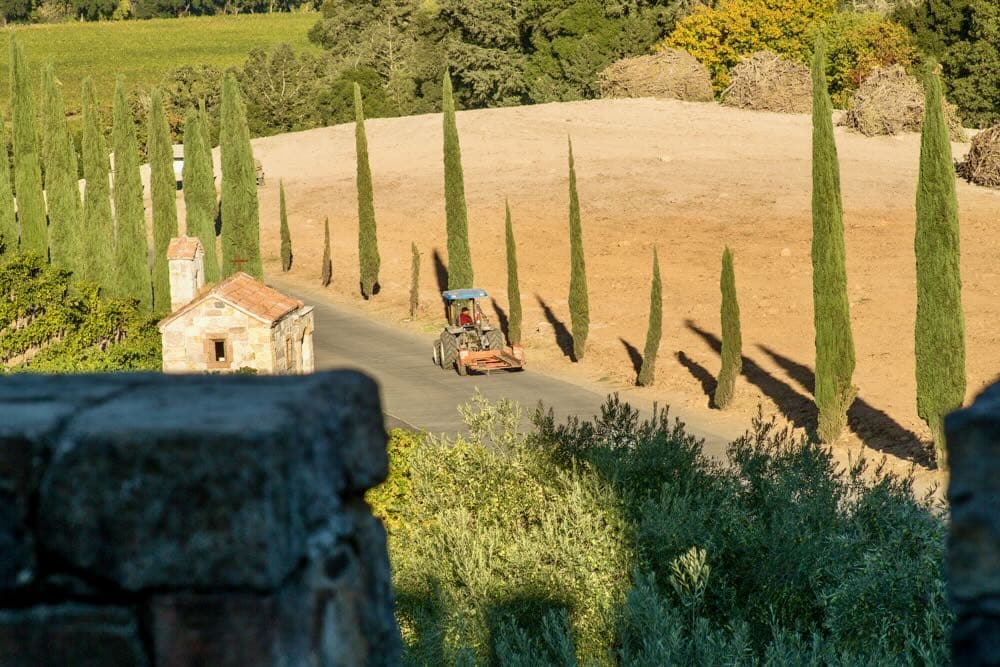
Castello di Amorosa, nestled in the hills just south of Calistoga in the northern end of Napa Valley, has long been a symbol of tradition, craftsmanship, and excellence. The Castello, built by pioneer winemaker and winery owner, Dario Sattui, has been recognized as an architectural masterpiece that combines centuries-old medieval material with state-of-the-art winemaking equipment.
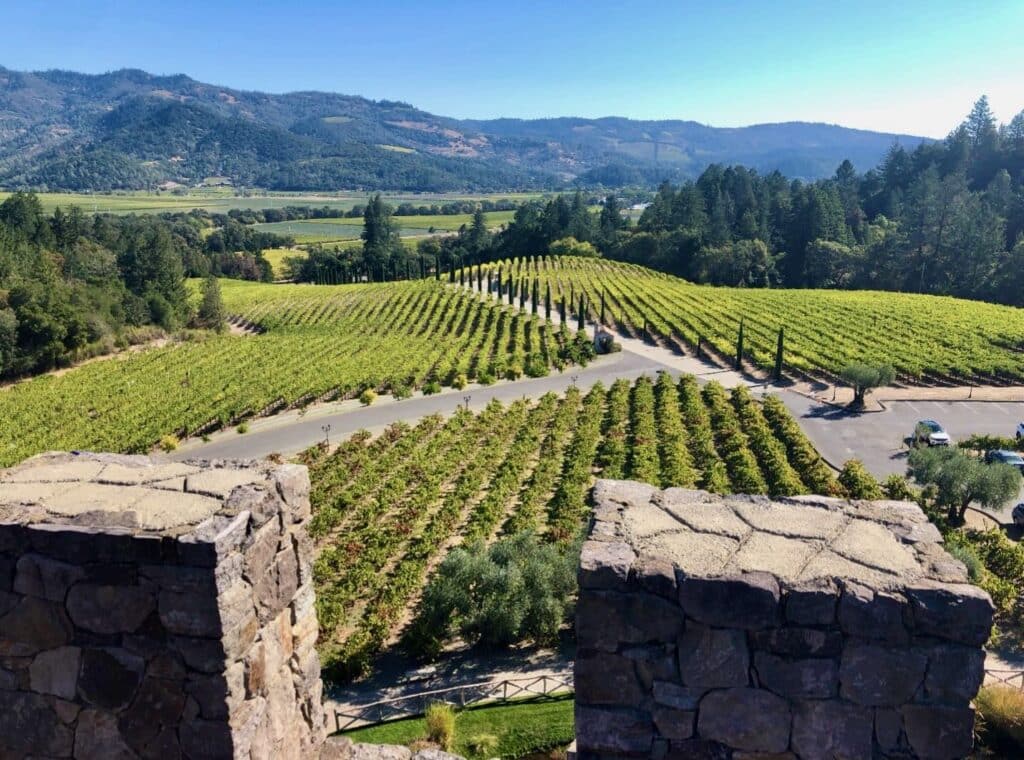
For over 25 years, lush rows of Cabernet Sauvignon, Merlot, Sangiovese, Malbec, Primitivo and Petit Verdot vines surrounding the Castello have produced some of the region’s most coveted wines.
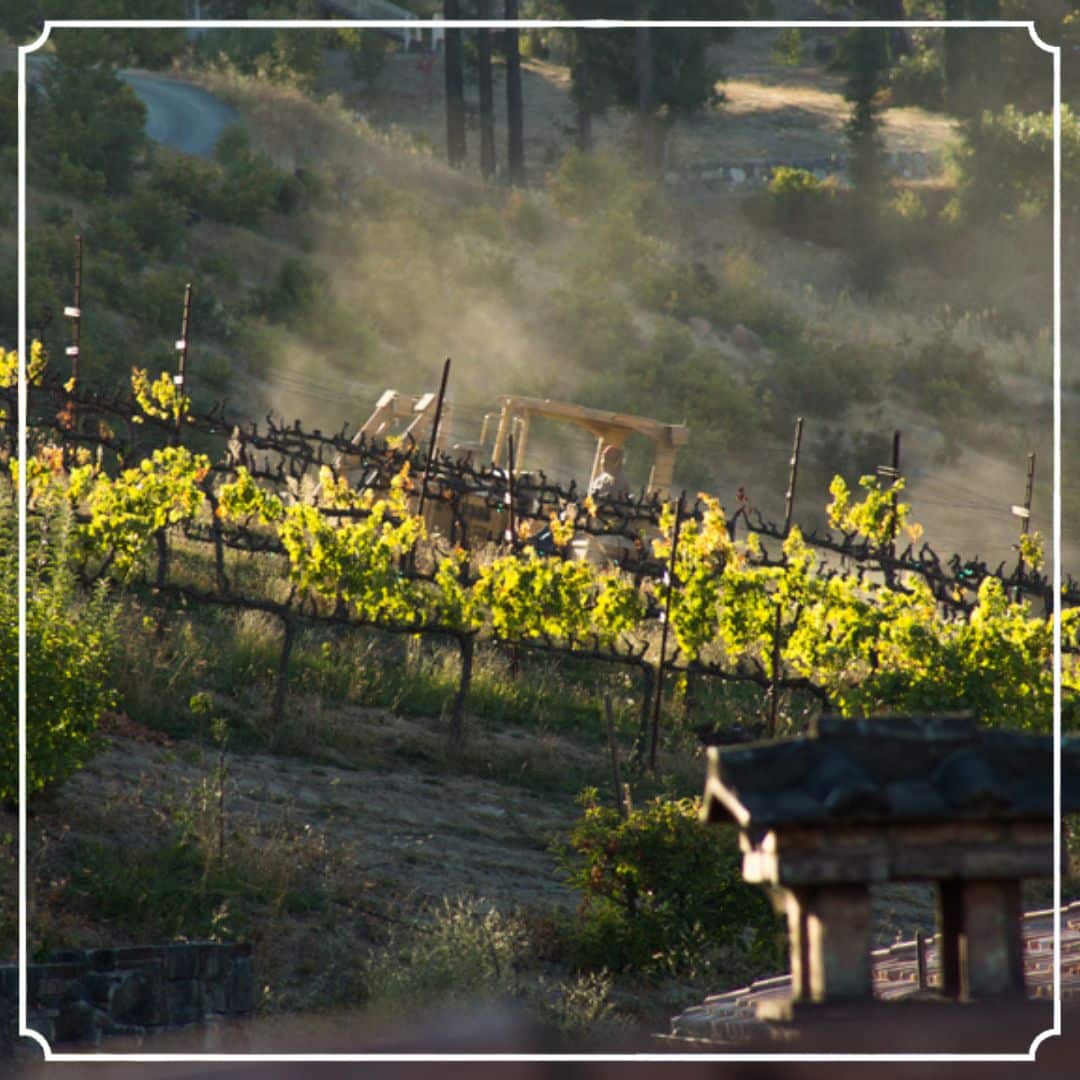
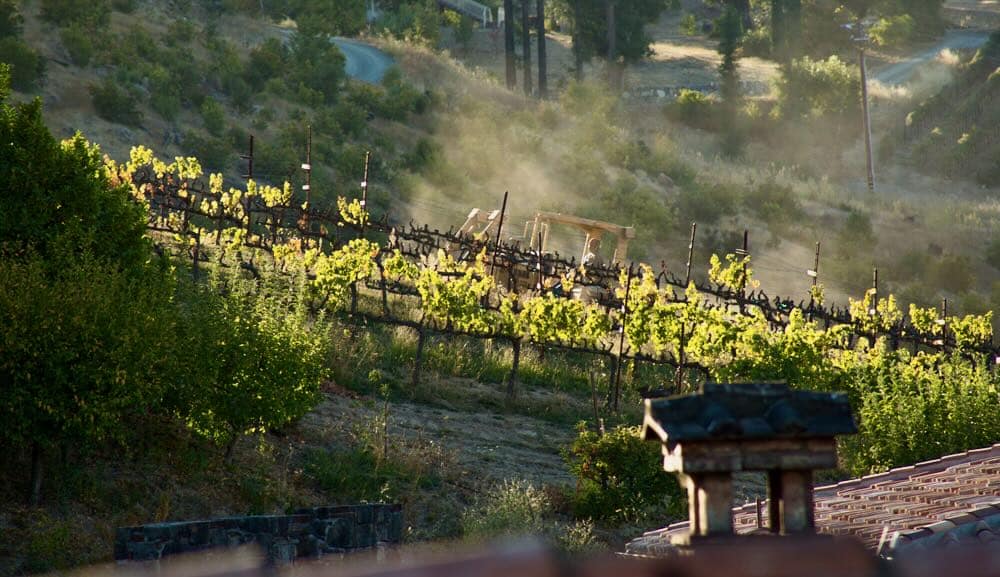
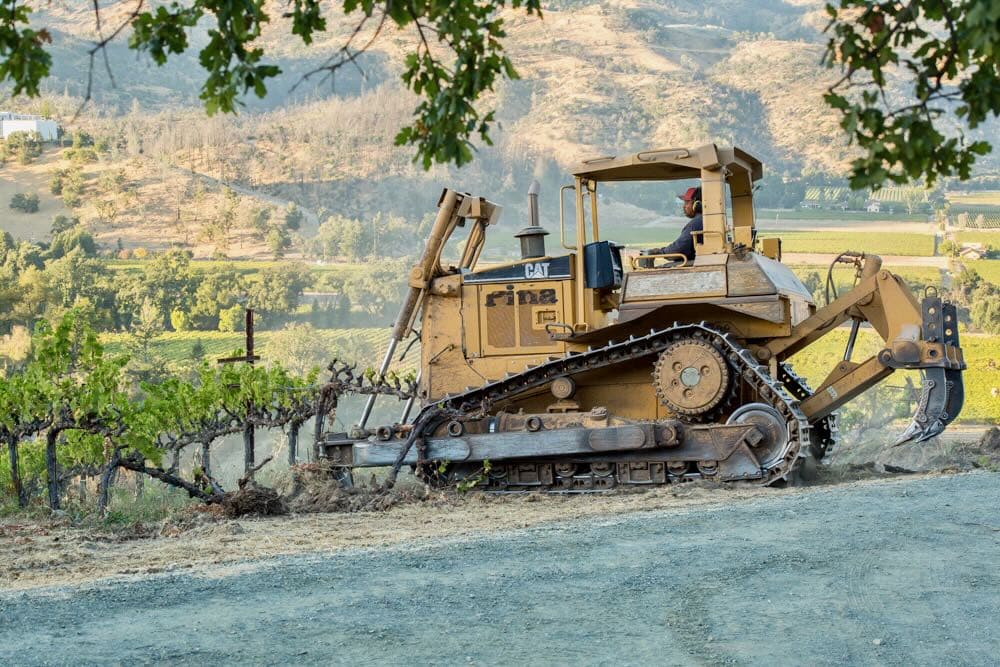
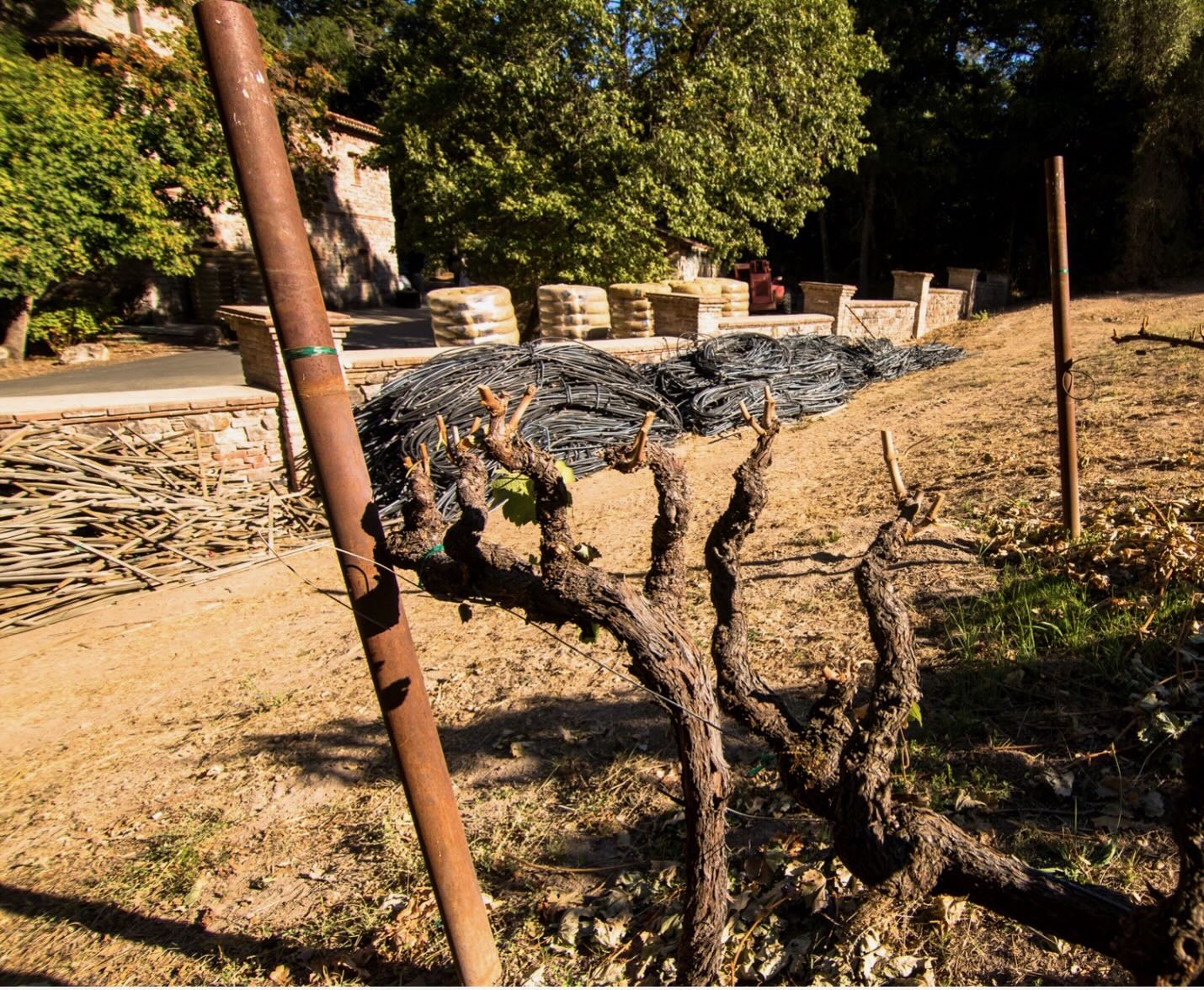
But change is in the air around the Castello. Starting in late September 2024, the vineyard will undergo a remarkable transformation—its iconic vines, which have given so much over the years, are being removed.
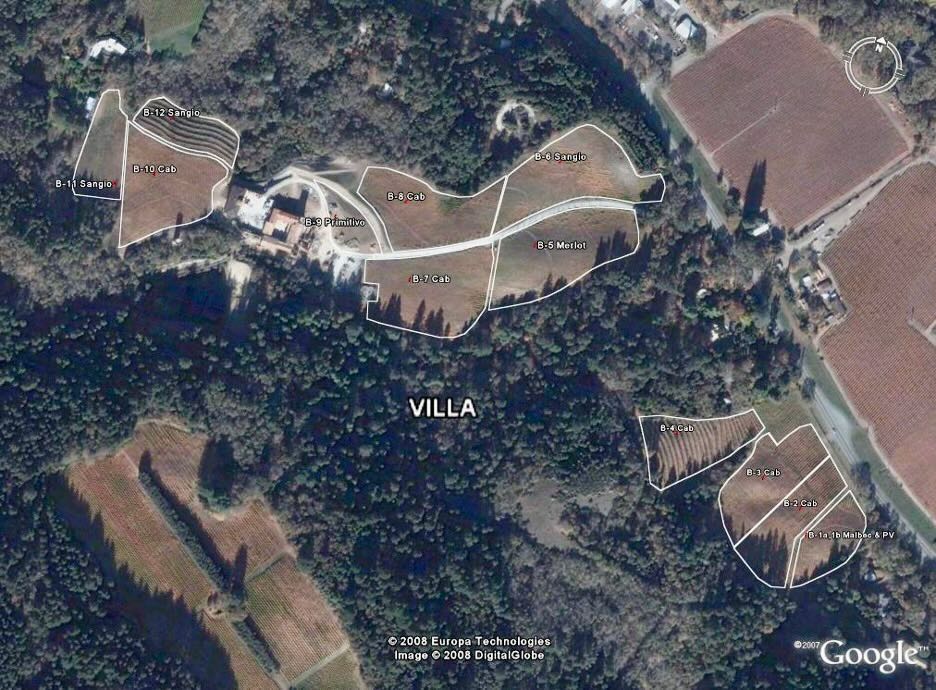
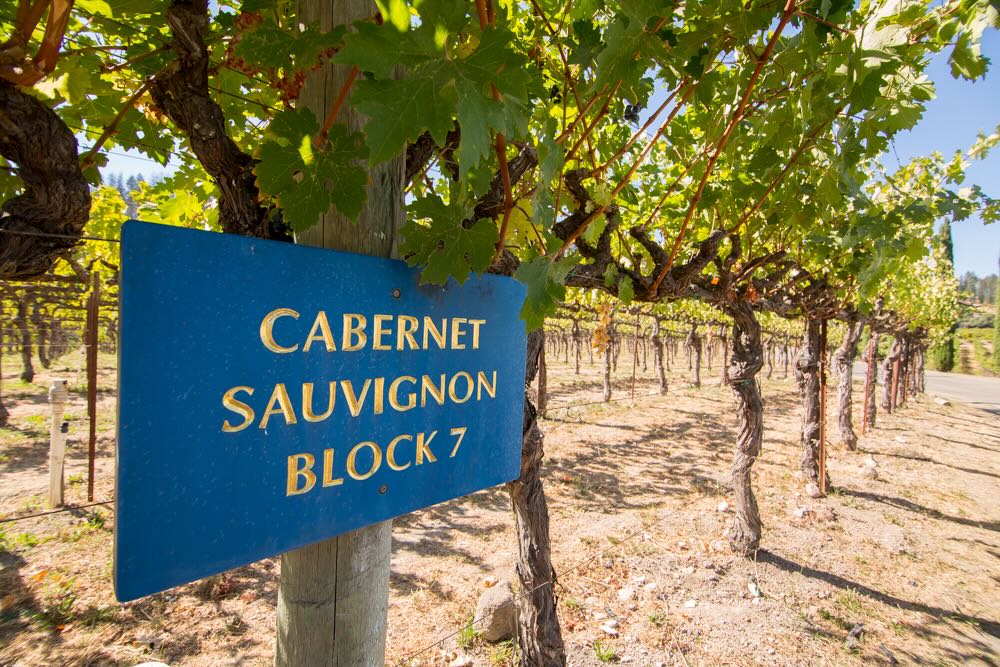
Time is of the essence. Erosion control ordinances require the vines to be removed and the erosion control to be implemented before October 15 and no work can be done until the following April when planting will begin. Vineyard blocks 5, 7 and 10 will be planted in April of 2025. The investment in vine removal and replanting is $1,000,000 for the ten acres of blocks being replanted.
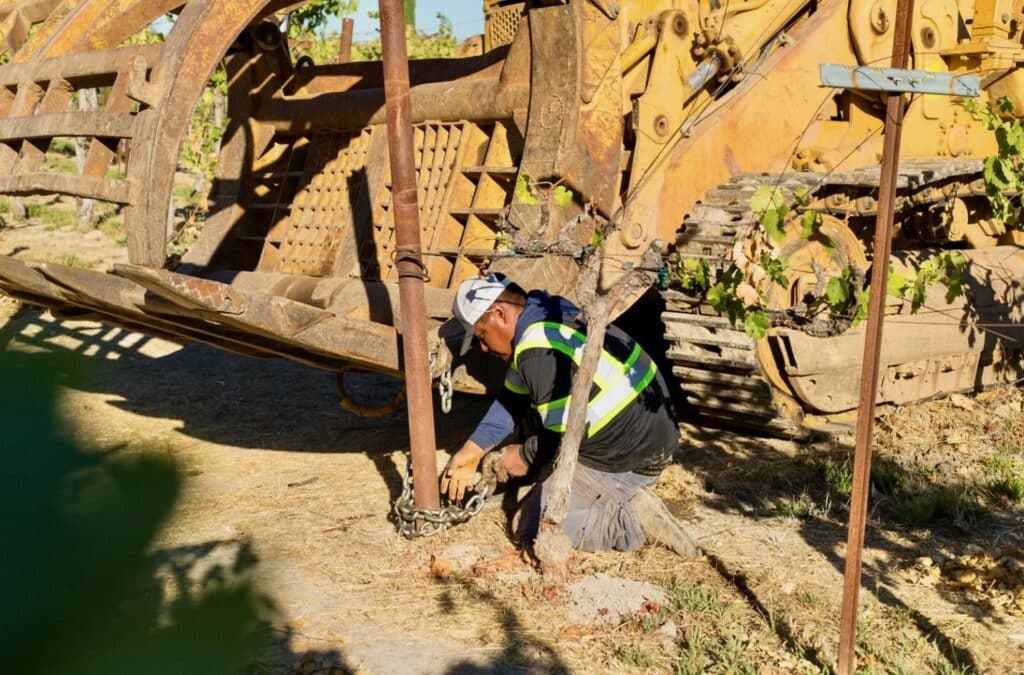

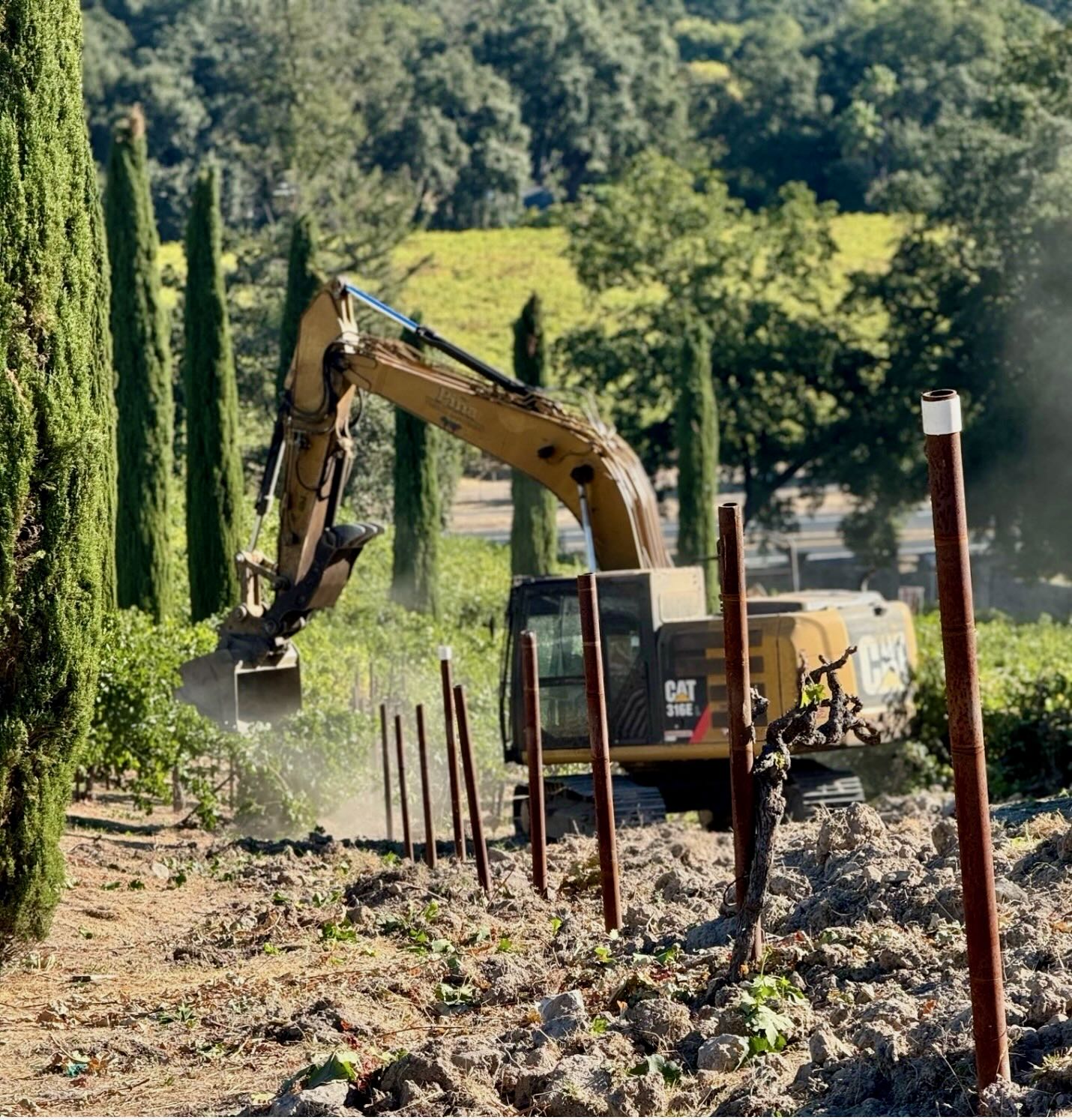
Over time, even the best vines begin to show their age. Though the wines from Castello di Amorosa have remained stellar, the vineyard’s team, led by visionary vintner, Dario Sattui, Castello President, Georg Salzner and Director of Winemaking, Brooks Painter, knew it was time to embrace renewal. “It’s a bittersweet moment as I can vividly recall the first planting of the Castello vineyards,” Sattui said, “but if we want to continue producing the highest quality wines for the next generation, we must replant. The terroir is the same, but the potential for what we can achieve is limitless.”
As we await the perfect moment to harvest, the work in our vineyards never ceases. One of the most important tasks at hand is ensuring our vineyards continue to thrive and produce exceptional fruit for future vintages. While many factors can influence the yield of grapes, the longevity of the vineyard depends heavily on the strategic replanting and care of the vines themselves.
As Dario Sattui explains, “Vines, like everything in nature, have a life cycle. While some vines can live for over 100 years, most of our vines reach their peak around 25 to 30 years. At this stage, their ability to produce optimal fruit diminishes, and that’s when we know it’s time to invest in the future of our vineyard.”
For Castello di Amorosa, this means carefully replanting select blocks of the vineyard, including blocks 5, 7 and 10, with Cabernet Sauvignon in 2025. The decision to replant isn’t made lightly, as it requires patience and foresight. By removing entire blocks, we have the unique opportunity to introduce new, disease-resistant rootstocks and clones of Cabernet Sauvignon that will elevate our winemaking legacy. “Replanting is a chance to secure our future,” Dario adds, “to ensure that Cabernet Sauvignon remains a cornerstone of our vineyards, delivering the quality and character our wines are known for.”
This process is about more than simply pulling out old vines; it’s about maintaining a balance between the vineyard’s current productivity and long-term prosperity. While pulling full blocks means those areas won’t yield grapes for a few years, the investment we’re making today is what will ensure Castello di Amorosa remains at the forefront of Napa Valley winemaking.
Gallery
Click on the images below to see them in high definition


Overlooking the Napa Valley: The Melanson Vineyard
Overlooking the Napa Valley:
The Melanson Vineyard
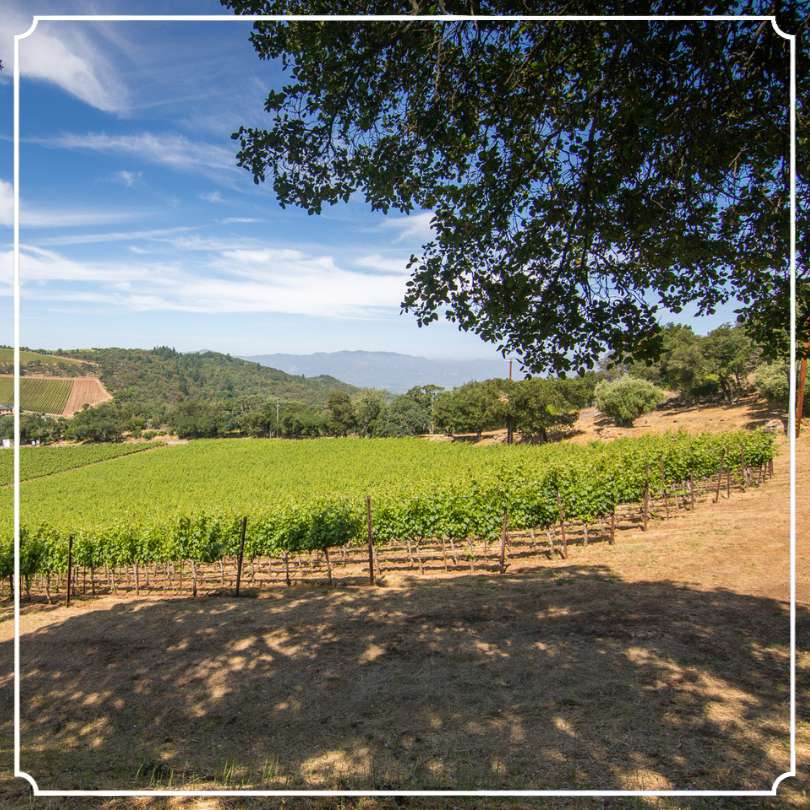
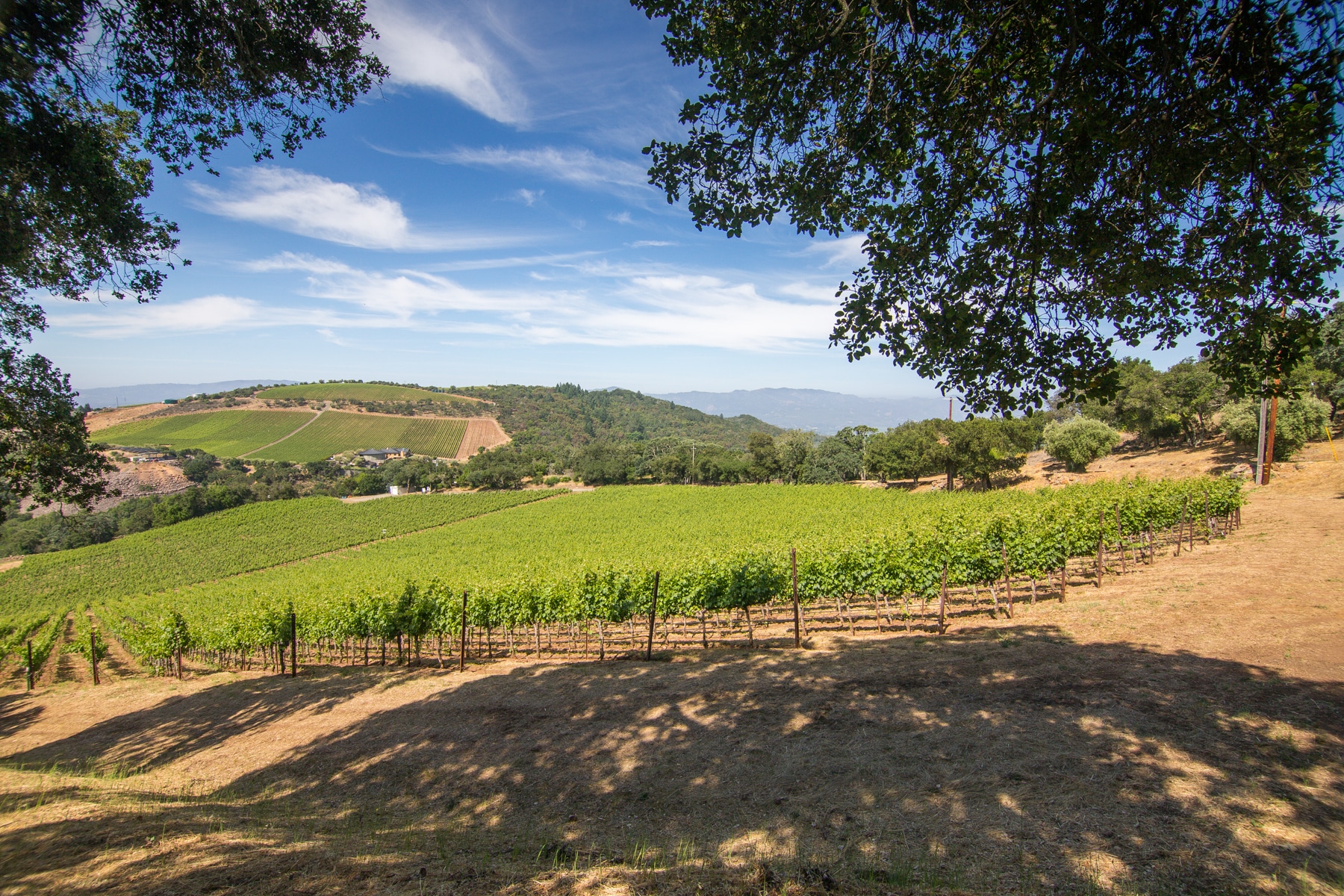
Melanson Vineyard is one of a handful of exceptional vineyards that share an enchanted slope of land nestled among the rugged eastern ridges of the Napa Valley. It’s called Pritchard Hill. Most vineyards in the Napa Valley are based in one of the 16 American Viticultural Areas, or Sub-AVAs of the Napa Valley. Melanson Vineyard and 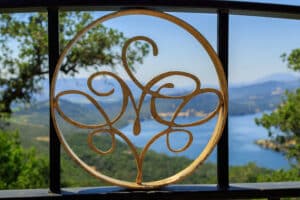 Pritchard Hill are not in a Sub-AVA but the Pritchard Hill growing region is arguably one of the top growing regions in all of Napa Valley. Sitting in peaceful isolation on a very steep, west-facing, boulder-strewn hillside, this 1,300 ft, 10.5-acre vineyard site enjoys late afternoon sun and remarkable views of Lake Hennessey below. Vineyard owner and wine grape grower Greg Melanson is serious about growing world-class Cabernet Sauvignon.
“As a master winemaker, Castello’s Brooks Painter understands you need great grapes to make a truly great wine,” said Greg Melanson. “The Cabernet Sauvignon flavors that are truly unique to Pritchard Hill are in every glass of Castello di Amorosa’s Melanson Vineyard Cabernet,” he added.

Several years ago, Castello di Amorosa began partnering with Greg Melanson and his meticulous vineyard manager, who carefully tends to the vineyard. The vineyard is planted in Sobrante loam soils, a clay loam mix, fractured volcanic material, and large volcanic rocks. Loam soils in general, and specifically Sobrante loam which allows the water to drain creating vine stress and mature flavor development in the grapes. The vineyard is known for its very small, intensely flavored grapes with thick skins. Melanson says the yields vary depending on what Mother Nature provides. Each vintage is different, and the yield is highly dependent on the weather.
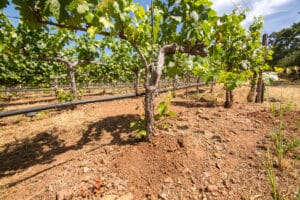 “I have a penchant for high-elevation vineyards,” said Brooks Painter, Director of Winemaking for Castello di Amorosa and V. Sattui Winery in St. Helena. “And upon first glance at this vineyard, I was immediately impressed with the intensity of the sunshine and the limiting growth potential of the vineyard soil.”
The Melanson Vineyard on Pritchard Hill sits well above the fog line which translates to plenty of sunshine to ripen the grapes. When tasting this Cabernet Sauvignon from this mountain terroir, you’ll immediately be struck by the soft, round mellowness of the wine. Its warm velvety nature with refined tannins on the palate continues to a long, complex finish that is full of fresh, dark fruit.
Wine Grape Juice Mocktail Recipes | Mocktails with Grape Juice
Castello di Amorosa Explores the Versatility of Wine Grape Juice in Mocktails
When we think of grape juice, our minds often drift to thoughts of rich reds or crisp whites enjoyed in a glass. However, beyond its role as a standalone beverage, wine grape juice holds immense potential in the realm of mocktails, offering a flavorful and sophisticated base for non-alcoholic creations.
The Essence of Wine Grape Juice
Wine grape juice captures the essence of the grape varietals from which it is derived, carrying the same distinct flavors, aromas, and complexities found in wines. Whether it’s the boldness of Cabernet Sauvignon, the fruity notes of Chardonnay, or the floral hints of Riesling, each grape variety contributes its unique characteristics to the juice.
Brooks Painter, Director of Winemaking has been making wine grape juice with no alcohol for many years. “I have a passion for making grape juices that use the same grapes used to make our wines,” said Painter. “The making of quality grape juice that truly expresses the fruit and flavor of the grape is a challenge, and now we’ve mastered how to make these juices true to their varietal aromas and flavors,” he adds.
Peter Velleno adds that “our grape juice is made in much the same way as our wine. We harvest a few days early to provide a base of acidity. The clusters are hand-harvested and delivered to the crush pad where they are destemmed, pressed and then the juice is chilled to about 32 degrees. The big difference is that we don’t add yeast to convert the grape sugars to alcohol. We skip that step, and the result is a great alternative to wine which has surprising ageability, of up to 4 years.”
Crafting Mocktails with Wine Grape Juice
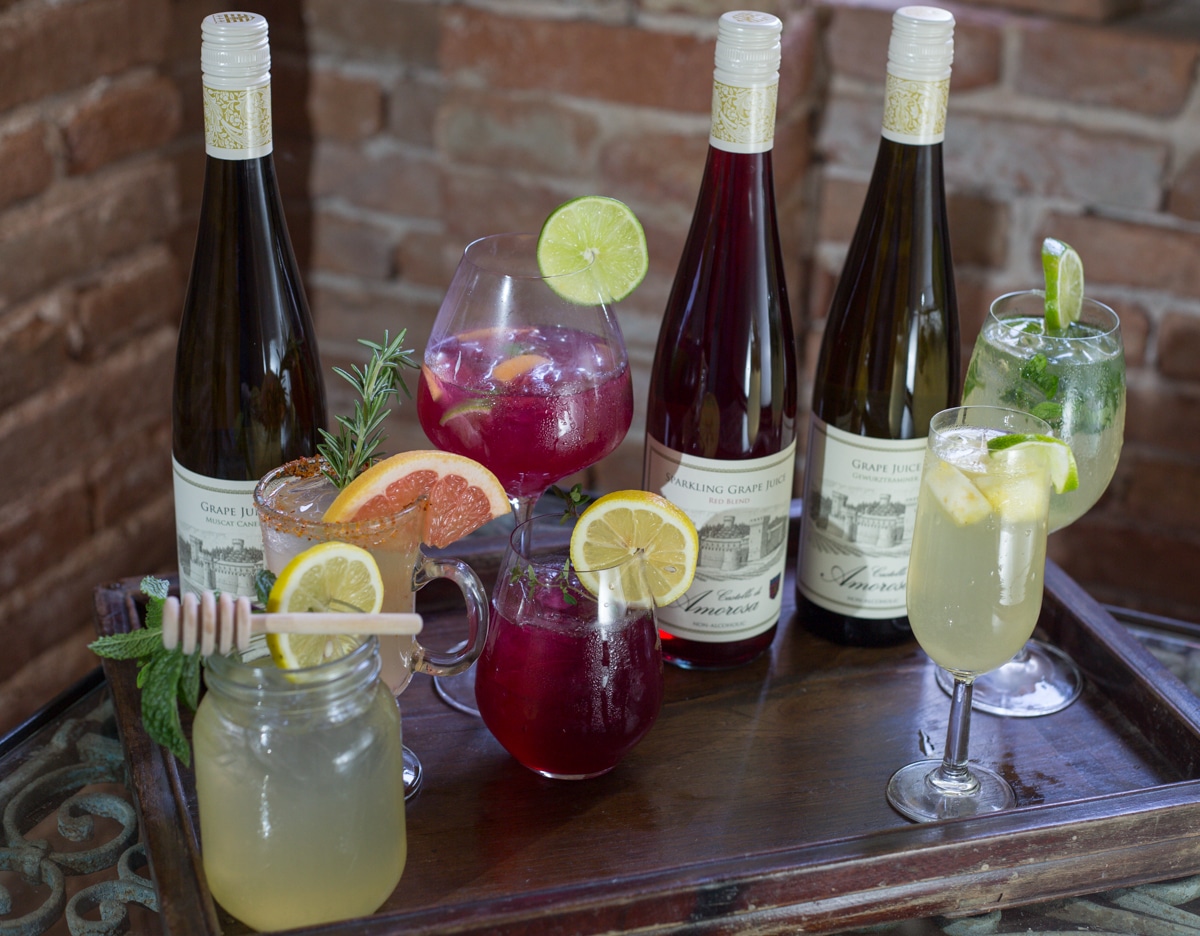
Mocktails, or non-alcoholic cocktails, have gained popularity for their ability to provide a refreshing and enjoyable drinking experience without the presence of alcohol. The Castello’s wine grape juice serves as an excellent base for mocktails due to its depth of flavor and natural sweetness. Here are a few delicious recipes created by Castello di Amorosa staff that incorporate wine grape juice into delightful mocktails: Mocktail Recipes
The Art of Mocktail Mixology
Creating mocktails with wine grape juice is not just about mixing ingredients but also about balancing flavors and textures. Consider incorporating herbs, spices, and other fruit juices to enhance the complexity of your mocktails.

Additionally, the presentation plays a significant role in elevating the drinking experience, so don’t hesitate to garnish with fresh herbs, citrus twists, or edible flowers.
Wine grape juice opens up a world of possibilities for crafting delicious and sophisticated mocktails. Whether you’re hosting a gathering, enjoying a relaxing evening, or simply seeking a flavorful non-alcoholic option, experimenting with wine grape juice in mocktails is sure to delight your taste buds and elevate your beverage repertoire. Cheers to the art of mocktail mixology!
The Castello di Amorosa Grape Juice
Imagine picking a grape cluster from the vineyard, pressing the juice, and putting it in a bottle to drink; no fermentation so there is no alcohol. The result is the delicious flavors and aromas of the individual grape varietals:
Gewürztraminer White Grape Juice:
 With aromas of rose pedals and lychee nut, this stunning white wine grape juice is bursting with exotic flavors of passion fruit, pear ginger and honeysuckle. Just add some crushed mint leaves and fresh lime and you’ll think you’re drinking a Mojito! It’s a super delicious grape juice mocktail recipe…. With no alcohol.
Castello’s VGM or Virgin Gewurztraminer Mojito. A vibrant and refreshing white grape juice drink.
Sparkling Red Grape Juice:

This red wine grape juice is a wonderful expression of fruit-driven aromatics and luscious flavors of ripe watermelon and red berries. With a pleasing interplay of enticing acidity, balanced sweetness and a touch of effervescence, this grape juice can be combined with a touch of lemon juice and fresh herbs, like thyme to create an evocative red wine grape juice mocktail.
Known as the sparkler, this red grape juice mocktail has the added twist of thyme to pair with the sweetness of the grape juice. Perfectly balanced.
Muscat Canelli Grape Juice:

Sourced from vineyards in Santa Barbara County and Solano County, this Muscat grape juice is beautifully aromatic with characteristics of exotic spices and orange blossoms. Light and refreshing on the palate, it’s bursting with stone fruit flavors like pear and nectarine.
Try this honey-laced Muscat Mingle grape juice mocktail. It’s on another level.
See all the Castello grape juice based mocktails here.
Fall in the Vineyard
Fall in the Vineyard
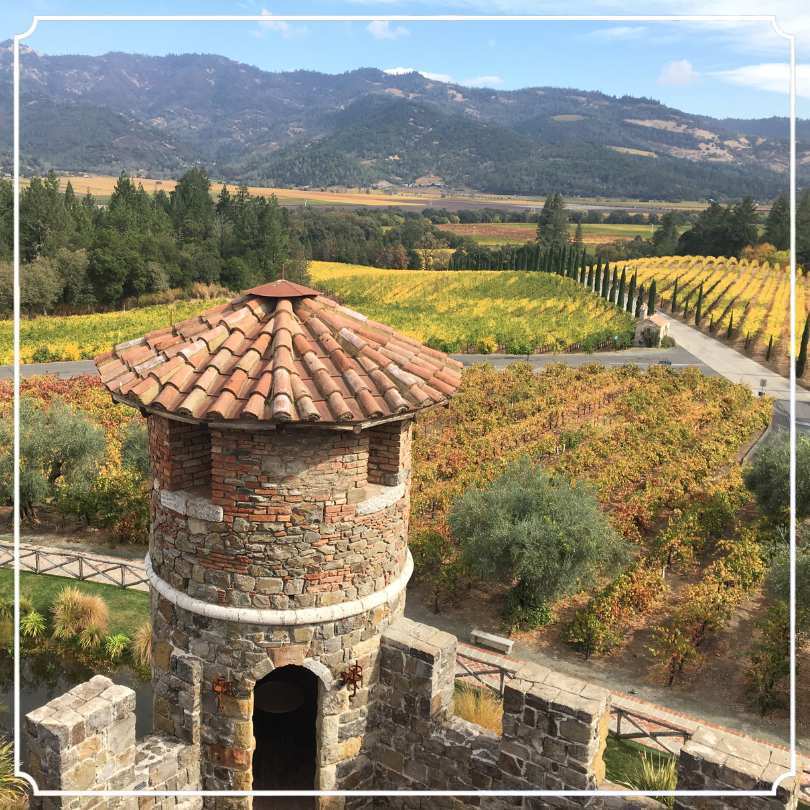
Fall is here. It’s an especially significant time in the wine world—the time of grapes reaching maturity and being harvested and starting their cycle of becoming wine. Leaves are changing color, there’s a coolness in the air, we start to crave heartier foods. It’s also the time when our wine palate evolves into seeking out the best fall wines.
What’s a fall wine? It’s probably red: one great example is our Il Barone. This reserve wine is typically a blend of approximately 95% Cabernet Sauvignon and 5% Merlot. The majority of the grapes were sourced from the Rutherford AVA, known for the complexity in its terroir. Our winemakers aged this vintage for 22 months in French oak barrels. The name is a nod to our Italian heritage and the nobility, if you will, of the wines we craft. In this case, Il Barone suggests refinement and elegance as well as power and nuanced strength, all great attributes for a big, bold and delicious Cabernet Sauvignon.
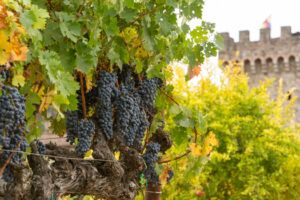
Fall in the Napa Valley is one of the most magical times of the year. Here at the Castello we welcome visitors who come intentionally to enjoy the aromas of fermenting grapes and glimpses of grapes being processed on the crush pad of the castle with state-of-the-art equipment and French Oak wine barrels sourced from the center of France.
The autumn is a time when all of us look forward to sitting down to lots of food and deeply flavored foods, like roasts and rich cheeses and long-simmered stews. We offer a number of ‘fall wines’ to pair with those choices.
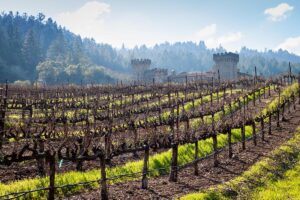
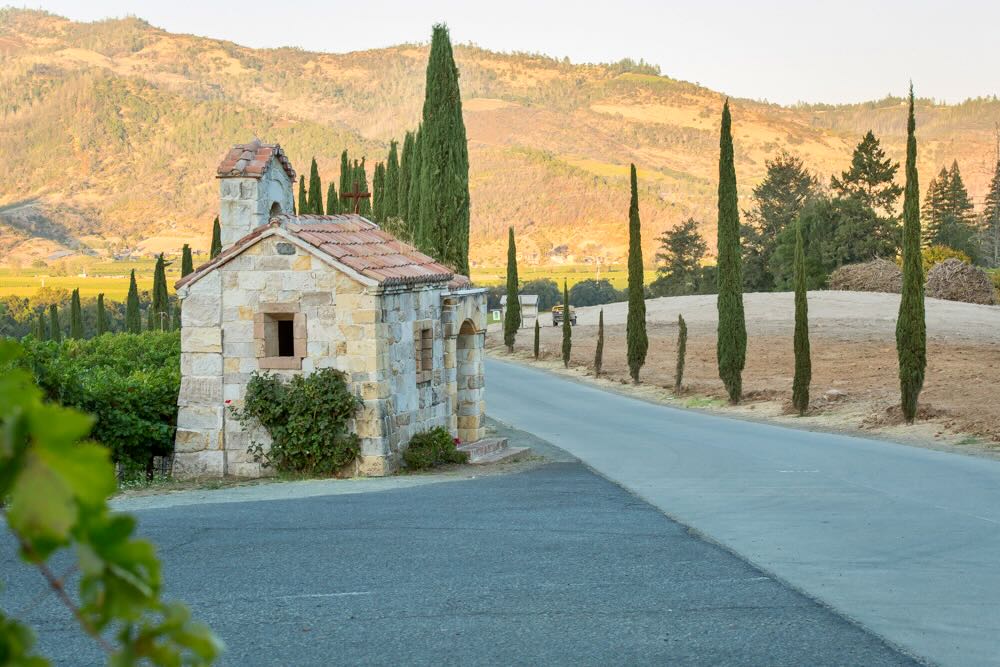
Because of the crispness in the air during the fall in the Napa Valley, visitors often enjoy longer visits at the Castle, making sure they’ve climbed all the stairs, surveyed the countryside beyond our moat, maybe even peeked into the torture chamber or the chapel.
All of that exertion does open up your taste buds to a range of great fall wines which are primarily our small production single vineyard Cabernet Sauvignons, such as Morisoli-Borges Cabernet Sauvignon as well as traditional Italian varietals such as Sangiovese, Pinot Bianco, Vermentino and Pinot Grigio.
Fabulous fall! Come visit us during this great time of year or re-create our romantic setting at your home—light some candles, settle in by the fireplace or around an outdoor fire, open some wonderful autumn wines along with hearty food and enjoy!