
2026 Harvest in Napa Valley: An Excellent Year
2026 Napa Valley Harvest: What Low Yields Mean for Cabernet Sauvignon

An Excellent 2026 Harvest in Napa Valley
Another Napa Valley harvest is coming to a close at Castello di Amorosa, marking the culmination of a growing season that arrived at its finish line earlier than usual. For our winemaking team, the 2026 vintage will not be remembered for abundance, but for the remarkable quality and concentration found in the fruit that made its way into the cellar.
Asked to sum up the 2026 harvest in just three words, Director of Winemaking Peter Velleno didn’t hesitate:
“Early, Small, Excellent”
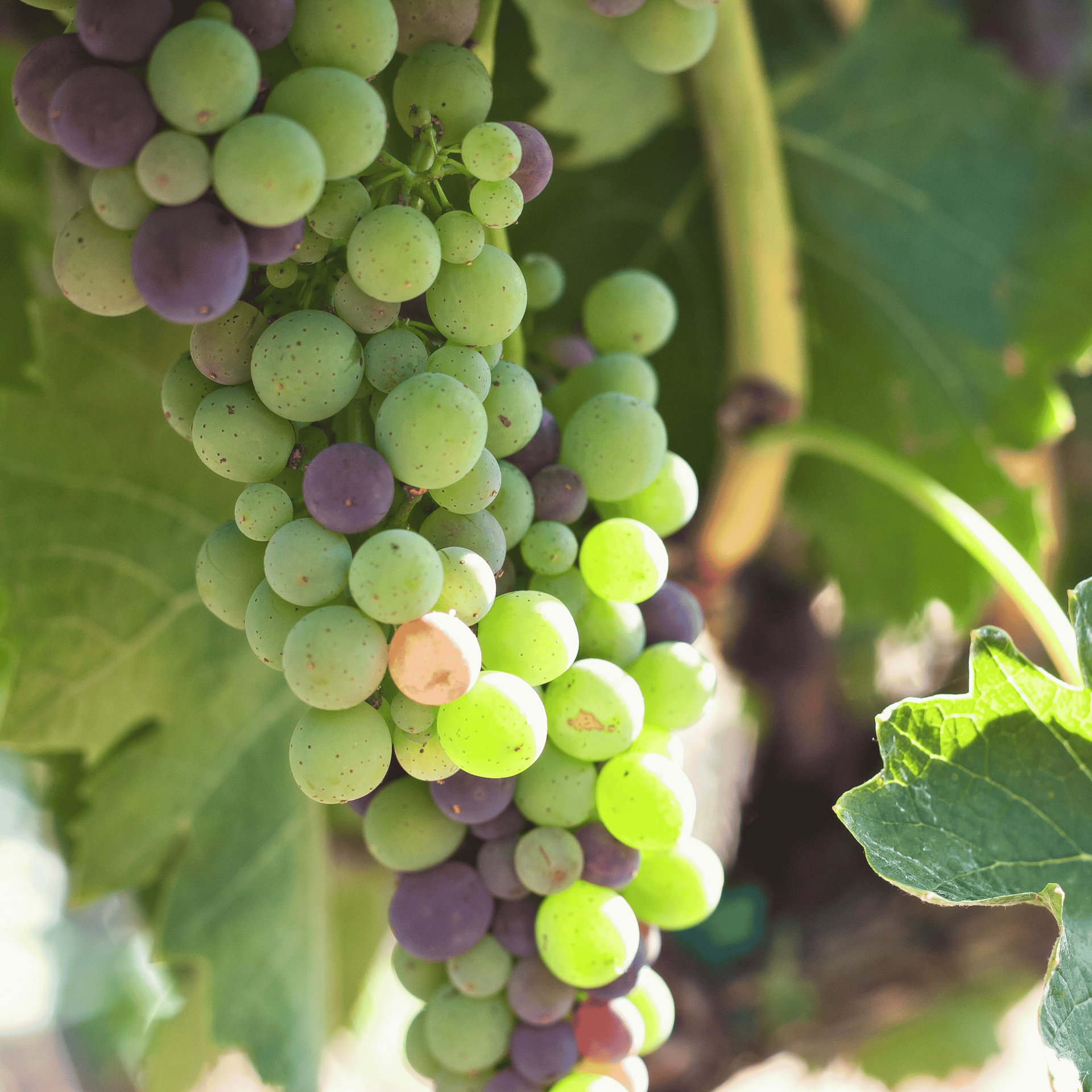
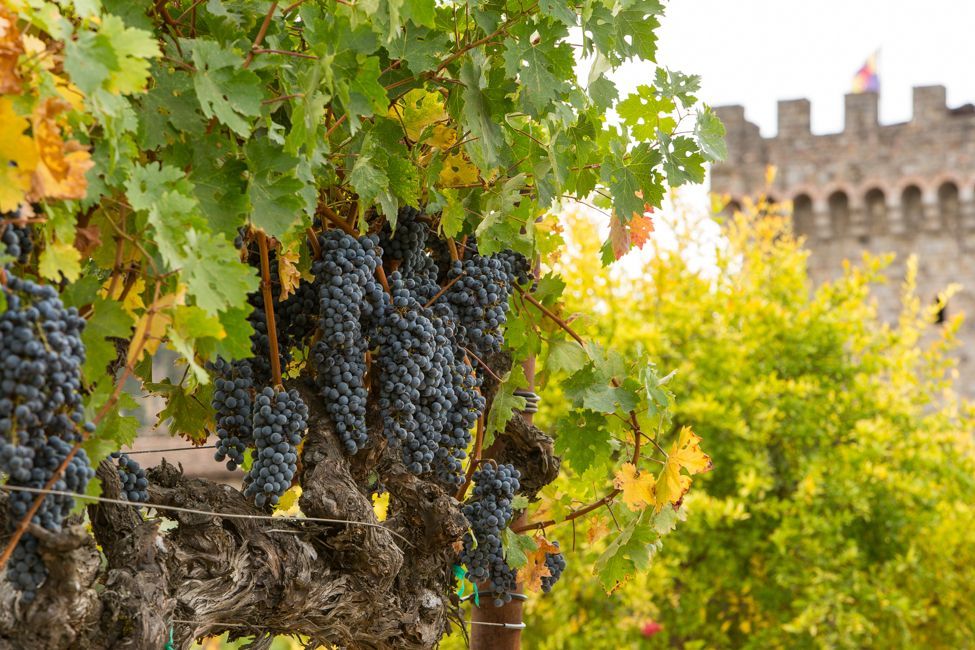
The 2026 Napa Valley growing season produced notably low yields, with smaller and fewer berries per cluster. While that meant less fruit coming into the winery, it also meant berries of higher concentration.
For Cabernet Sauvignon, one of the varieties at the heart of Castello di Amorosa’s winemaking program, Peter sees considerable promise in the vintage. He stated, “The upside of vintages with very low yields is that the grapes we get, while few, are absolutely packed with flavor. With less fruit to support, the vines are able to pour extra energy into bringing each cluster to full ripeness. The berries are on the smaller side, and there are considerably less berries per cluster. Maximum concentration and flavor. Acidity is generally high, with tannins elevated. Should be excellent.”
Smaller Cabernet Sauvignon berries can mean a greater proportion of skins relative to juice, making the character of the fruit particularly important as fermentation and extraction unfold. For the winemaking team, the combination of concentration, acidity and tannin in the 2026 Cabernet Sauvignon provides an exciting foundation as the young wines begin their journey in the cellar.
Across Castello di Amorosa’s vineyard sources, each Napa Valley site continued to express the characteristics that make its growing area distinctive. Fruit arrived from sites throughout the valley, including Villa Amorosa on Diamond Mountain, Rutherford, Oakville and other celebrated Napa Valley appellations. One vineyard, however, became a particular highlight of the 2026 harvest: Morisoli-Borges Vineyard in Rutherford. Rather than harvesting its Cabernet Sauvignon all at once, the winemaking team deliberately spread the picks across several weeks. As Peter explains: “The Cabernet wines we made from Morisoli-Borges stand out this year. We spread picking across 3 weeks to intentionally create some diversity in the wine styles of the components. We will have some interesting options when it comes time for blending.” That decision illustrates an important part of harvest that happens long before a finished wine reaches the bottle. Picking dates can shape the character of individual lots, giving the winemaking team different expressions from the same vineyard to work with when blending begins. For a vintage already defined by concentrated Cabernet Sauvignon, those individual components may prove especially interesting.
By the final stretch of the 2026 Napa Valley harvest, most varieties had already made their way into the winery. Aside from grapes destined for Castello’s Late Harvest wines, only Cabernet Sauvignon remained on the vine, in Napa Valley’s cooler growing areas, including Mount Veeder and Coombsville. The final scheduled pick would come from the older vines at Rapp Ranch. “The color and flavors in the grapes are amazing; we just need the sugars to be a little higher so that we can craft a balanced wine. The nice part about an early harvest is that we can let things hang until the time is right; there is no pressure from imminent rainstorms that we normally have to worry about with the last grapes of the vintage.” That breathing room is one of the unexpected advantages of an early vintage.
Harvest is always a balance between what is happening in the vineyard and what nature may have planned next. With the season running ahead of its typical schedule in 2026, the team could give the final Cabernet Sauvignon additional time on the vine and make picking decisions based on the fruit rather than the approaching autumn weather.
Bringing in the final grapes may mark the end of harvest in the vineyard, but inside the winery, the 2026 vintage is only beginning. At any given moment, several years of work coexist within the cellar. Peter explains what comes next: “As the wines are drained off skins, and the sugars are depleted, we will fill barrels and monitor the secondary “Malolactic” fermentation. Normally that continues to Spring, but this year we might finish in Winter, as the fermentations have a 1-month headstart due to the early harvest. After that we will consider some blending and consolidation. We will bottle the white and rosé wines, then, we pause our focus on the new 2026 wines and go back to the 2025 red wines. We need to work on finalizing the blends that will go in the bottle in 2027.
The cycle continues!”